Las obras de construcción se enfrentan a tareas complejas y plazos ajustados. Depender de una sola máquina tradicional suele dificultar el equilibrio entre eficiencia, flexibilidad y estabilidad. Gracias a su fiable capacidad de excavación y carga, las retroexcavadoras se han convertido en equipos de uso generalizado en proyectos municipales, obras de construcción, paisajismo y explotaciones agrícolas.
Este artículo ofrece una descripción completa de las retroexcavadoras LTMG a la venta, centrándose en los modelos típicos de LTMG, incluyendo características estructurales, diferencias entre modelos, ventajas principales y consejos prácticos de selección para ayudarle a elegir la máquina adecuada para sus condiciones de trabajo.
A La retroexcavadora es una máquina de construcción versátil que combina una cuchara cargadora frontal con un brazo excavador trasero.
La pala frontal se utiliza principalmente para cargar y transportar tierra, grava o materiales de construcción, mientras que la retroexcavadora trasera está diseñada para abrir zanjas, excavar y realizar trabajos de excavación ligeros. Gracias a este diseño de doble propósito, las retroexcavadoras pueden realizar eficientemente múltiples tareas en una misma obra, lo que las convierte en equipos esenciales para la construcción municipal, proyectos de edificación y trabajos de paisajismo.
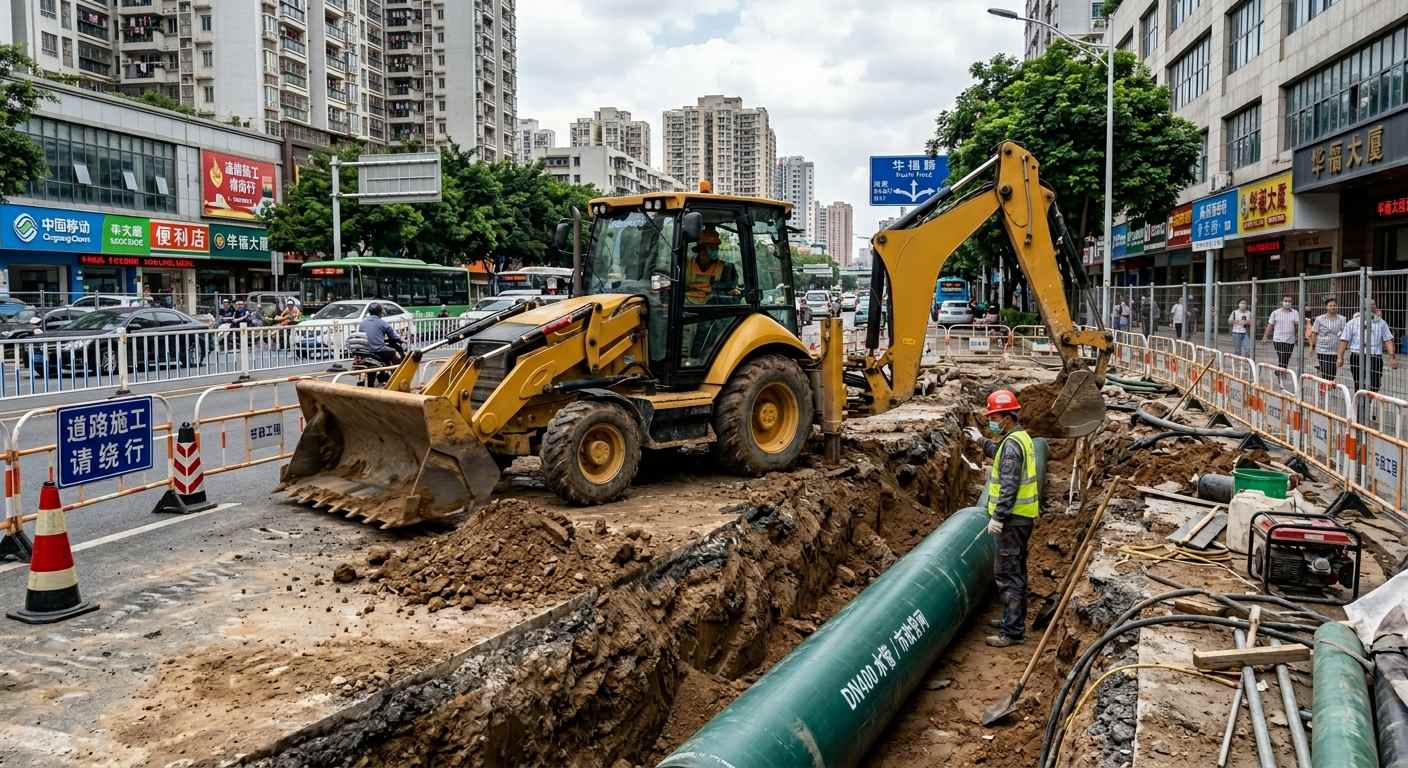
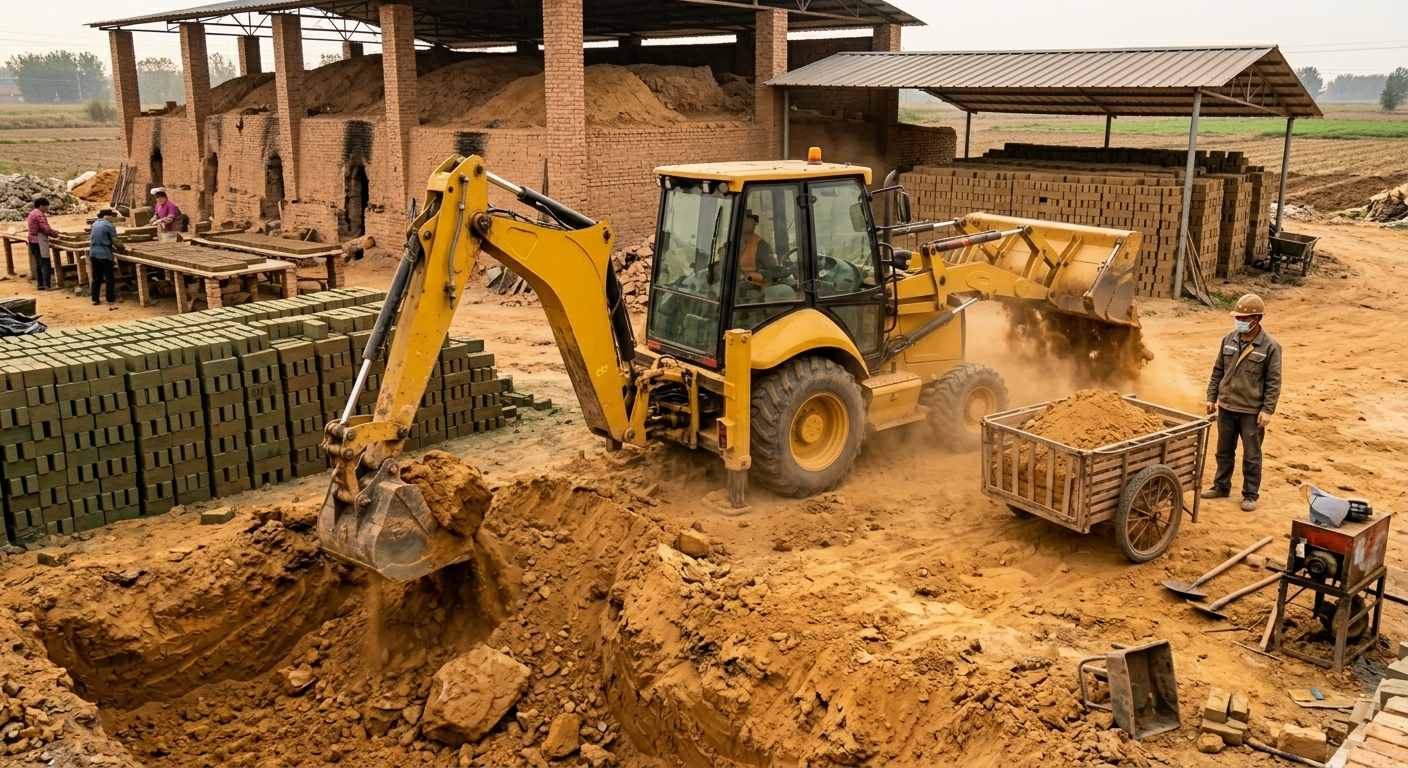
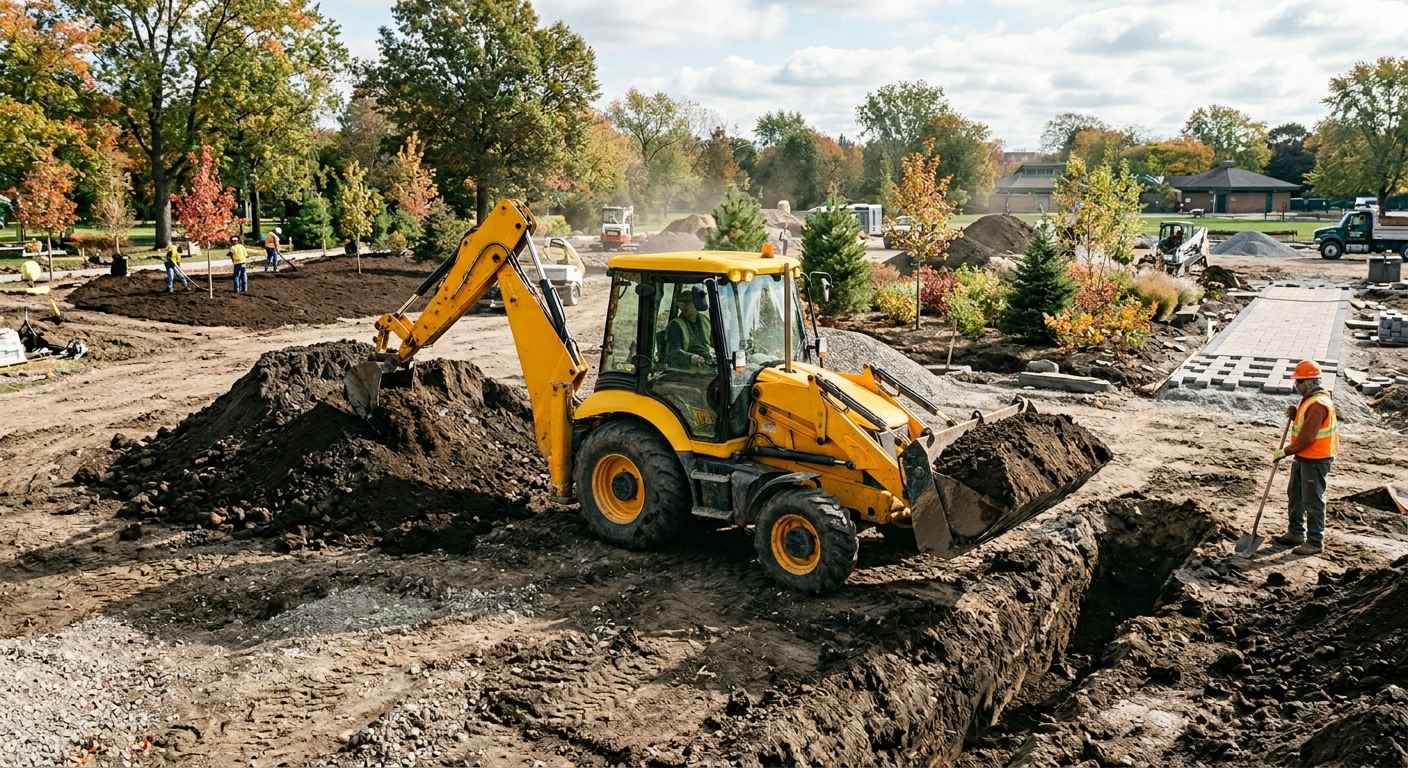
En estas aplicaciones, una retroexcavadora puede realizar tareas de excavación, carga y transporte con una sola máquina, lo que mejora la eficiencia en la obra y reduce los costes de los equipos.
Las retroexcavadoras LTMG ofrecen un rendimiento fiable en diversos entornos de construcción gracias a las siguientes ventajas:
1. Sistema de transmisión fiable
Equipada con un motor WP4G95E221 (motor Cummins opcional), la máquina ofrece una reserva de potencia suficiente con bajo nivel de ruido, menor consumo de combustible y un rendimiento que cumple con las normativas de emisiones. Incorpora una transmisión italiana Carraro, con opciones de tracción 2WD o 4WD. Además, cuenta con un bloqueo de diferencial y un sistema de frenado en baño de aceite, lo que garantiza una conducción estable y una excelente tracción en diversas condiciones de trabajo.
2. Funcionamiento eficiente y cambio de marchas sencillo.
La transmisión sincronizada de cuatro velocidades importada permite el cambio de marchas electrohidráulico hacia adelante y hacia atrás sin embrague, lo que facilita y suaviza el funcionamiento. El sistema de embrague hidráulico y el botón de desembrague permiten cambios de marcha rápidos según las condiciones de la carretera, mejorando la eficiencia general del ciclo de trabajo.
3. Control hidráulico preciso
Un sistema hidráulico de centro abierto, combinado con una bomba de engranajes de alta eficiencia, garantiza operaciones de excavación fluidas, precisas y con gran capacidad de respuesta. El sistema también admite implementos como martillos hidráulicos, lo que aumenta la versatilidad de la máquina para diferentes necesidades de trabajo.
4. Seguridad y comodidad del operador
El sistema de frenado húmedo sin mantenimiento y el bloqueo del diferencial mejoran la seguridad y la fiabilidad operativas. La cabina ROPS totalmente cerrada proporciona un entorno de trabajo espacioso con una excelente visibilidad panorámica, lo que garantiza la comodidad y la seguridad del operador durante largas jornadas laborales.
5. Excelente desempeño en viajes
Con una configuración de 4 marchas hacia adelante y 4 hacia atrás, la máquina puede alcanzar una velocidad máxima de más de 40 km/h, lo que permite un rápido desplazamiento entre obras. El sistema de control ergonómico reduce el esfuerzo del operario y se adapta perfectamente a los diferentes ritmos de trabajo en la construcción.
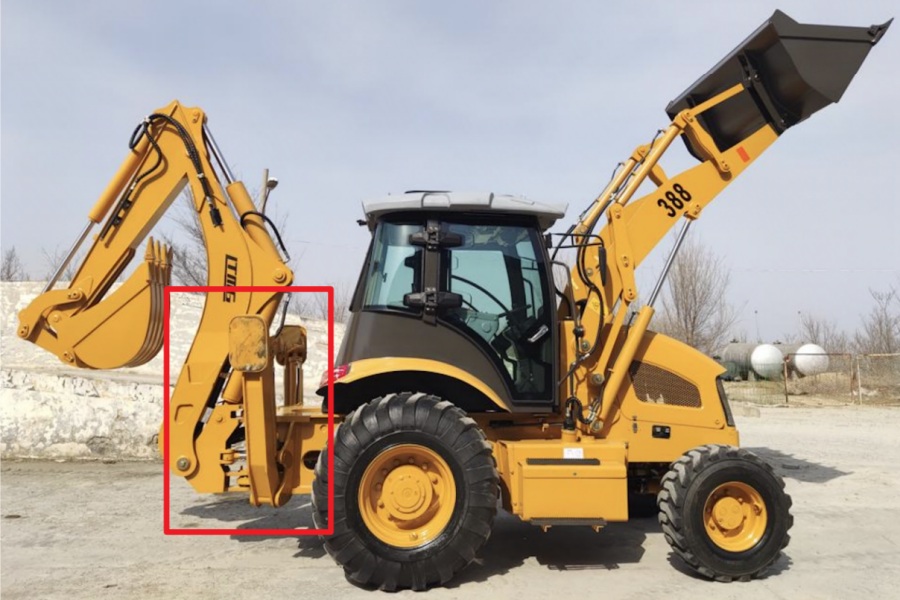
A la hora de elegir una retroexcavadora, la estructura de los estabilizadores influye directamente en la estabilidad de la excavación, la flexibilidad y la eficiencia en la obra.
Estabilizadores tipo H
Los estabilizadores tipo H incorporan una función de desplazamiento lateral que permite que el brazo de la retroexcavadora se mueva lateralmente sin necesidad de reposicionar la máquina. Tras retraer el brazo de excavación, la máquina ocupa menos espacio, lo que la hace ideal para obras estrechas y entornos de trabajo reducidos.
Sin embargo, en comparación con los estabilizadores laterales, los estabilizadores laterales de tipo H ofrecen una rigidez estructural ligeramente inferior.
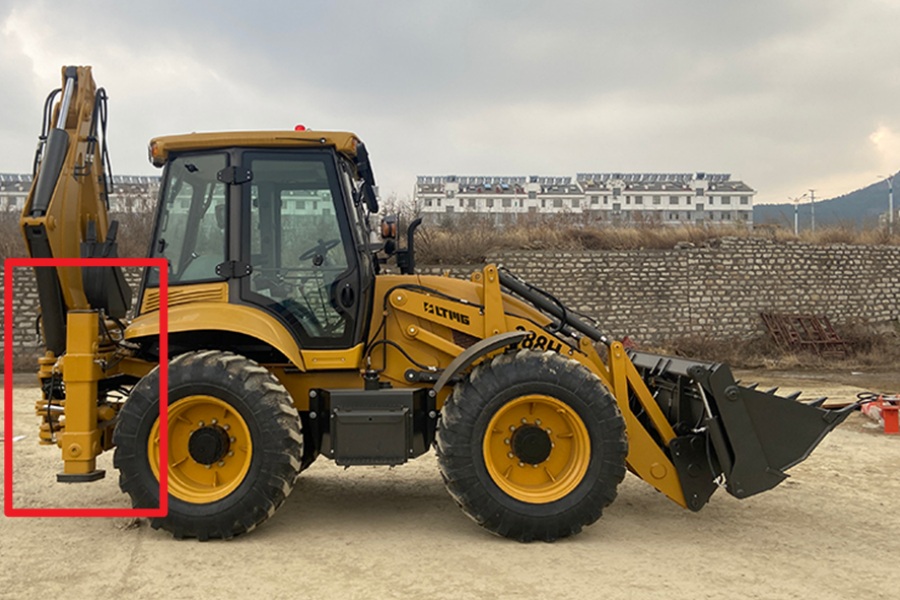
Estabilizadores laterales
Los estabilizadores proporcionan mayor rigidez y mejor estabilidad en la excavación, lo que los hace adecuados para la construcción municipal, las obras viales y las excavaciones de gran envergadura.
La desventaja es una menor flexibilidad en espacios reducidos, ya que ocupan una mayor superficie operativa y no admiten la función de desplazamiento lateral.
Cómo elegir la retroexcavadora adecuada
Los distintos modelos de retroexcavadoras varían significativamente en cuanto a la estructura del bastidor, la estabilidad de excavación, el rango de operación y la idoneidad para cada aplicación. Comprender estas diferencias ayuda a mejorar la precisión en la selección del equipo.
Modelo | ||||
Características principales | Estructura compacta, pequeño radio de giro | Estructura telescópica con desplazamiento lateral | Estructura rígida integrada | Brazo telescópico de retroexcavadora |
Mejores aplicaciones | Pequeñas obras municipales y agrícolas | Construcción de muros y tuberías | Proyectos municipales y movimiento de tierras estándar | Operaciones de zanja profunda y de largo alcance |
Principales ventajas | Gran movilidad en espacios reducidos | Ajustar la posición de excavación sin mover la máquina. | Mayor estabilidad al excavar | Mayor profundidad de excavación y radio de trabajo |
Limitaciones | No es ideal para excavaciones pesadas continuas. | Requiere más espacio operativo | Sin desplazamiento lateral ni brazo telescópico | Estructura más compleja y máquina más pesada |
Selección de modelo recomendada
LTMG WZ30-25 → Se vende una retroexcavadora económica multiusos, adecuada para construcciones ligeras y obras de tamaño reducido.
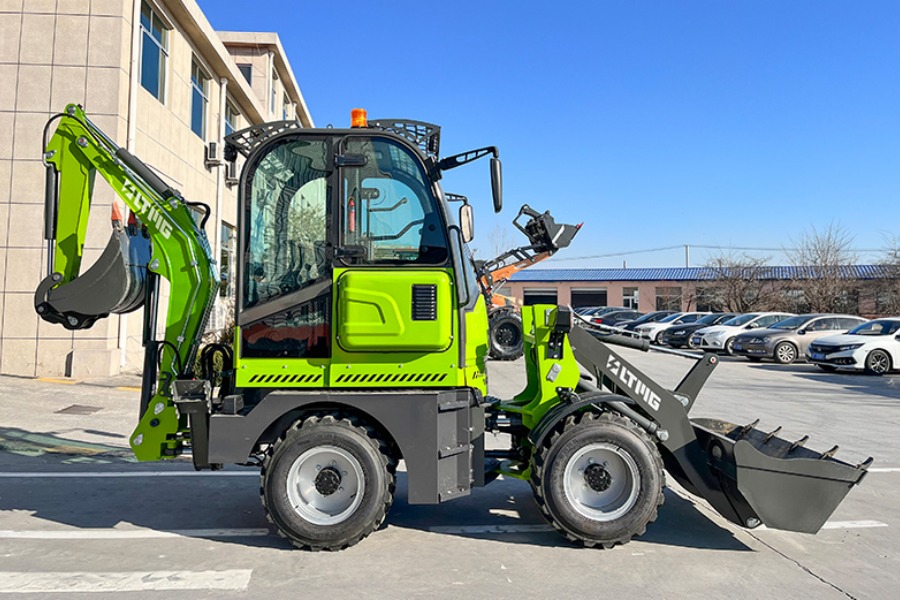
LTMG BLT388H-I → Diseñado para operaciones de precisión en espacios reducidos, especialmente en construcciones laterales y de servicios públicos.
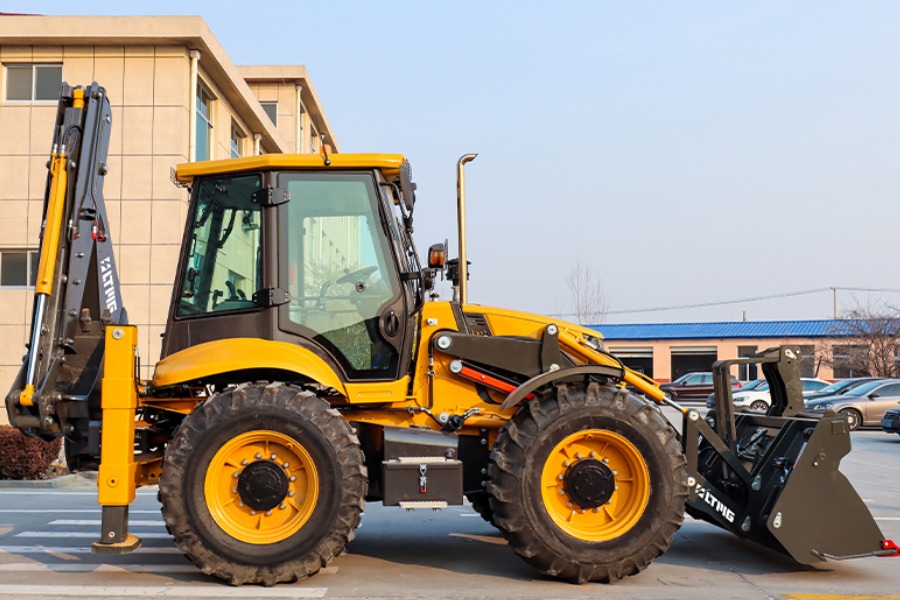
LTMG BLT388H-III → Una retroexcavadora de largo alcance mejorada, adecuada para excavaciones profundas y aplicaciones con un rango de trabajo extendido.
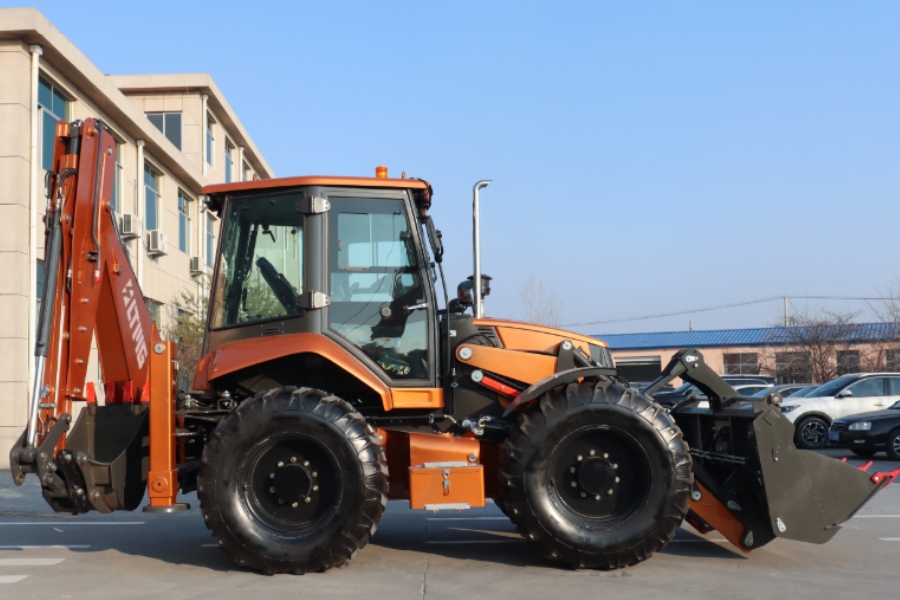
LTMG BLT388H-II → Una retroexcavadora estándar para ingeniería, destinada a proyectos municipales y trabajos de construcción en general.
Las retroexcavadoras LTMG admiten diversos implementos, lo que permite que una sola máquina realice múltiples tareas de construcción de manera eficiente.
Martillo hidráulico
Horquilla para hierba / Pinza para troncos
Zanjadora
Cubos (disponibles en varios tamaños)
Al planificar con antelación las combinaciones de implementos y las secuencias de uso, las retroexcavadoras LTMG pueden realizar operaciones de demolición, excavación de zanjas, carga y manipulación de materiales en la misma obra, manteniendo una alta eficiencia y prolongando la vida útil de la máquina.
Elegir la retroexcavadora adecuada es fundamental para mejorar la eficiencia en la construcción y la seguridad operativa. Al seleccionar el modelo correcto, la configuración de los estabilizadores y los accesorios según las condiciones de la obra y los requisitos de carga de trabajo, los contratistas pueden maximizar la productividad y reducir los costos operativos.
LTMG ofrece servicios confiables Retroexcavadoras en venta para una amplia gama de aplicaciones, desde la construcción municipal hasta proyectos agrícolas y paisajísticos. Para recomendaciones de equipos profesionales y soluciones personalizadas, Contacta con el equipo de LTMG hoy.
Una retroexcavadora combina un brazo excavador trasero con una pala cargadora frontal, lo que le permite realizar tareas tanto de excavación como de manipulación de materiales. Una cargadora de ruedas se centra principalmente en la carga y el transporte de materiales como tierra, grava y escombros.
Una excavadora es una máquina especializada con gran fuerza de excavación y capacidad para excavar a gran profundidad, lo que la hace idónea para grandes proyectos de movimiento de tierras y construcción pesada. Una retroexcavadora es más compacta, flexible y versátil, ya que combina las funciones de excavación y carga, lo que la hace ideal para obras de tamaño pequeño a mediano y para trabajos de diversa índole.

Teléfono : +86 195 5920 7570
Correo electrónico : market@ltmg.com
Whatsapp : +86 195 5920 7570
Agregar : LTMG Group, Electronics City(Xiamen) International Innovation Center, No.23, Duiying Road, Jimei District, Xiamen, China


Obtenga la información más reciente sobre productos e información sobre ofertas



