Guía de selección de cargadoras de ruedas: Cómo elegir el modelo y la capacidad adecuados para sus proyectos industriales.
Jan 05, 2026
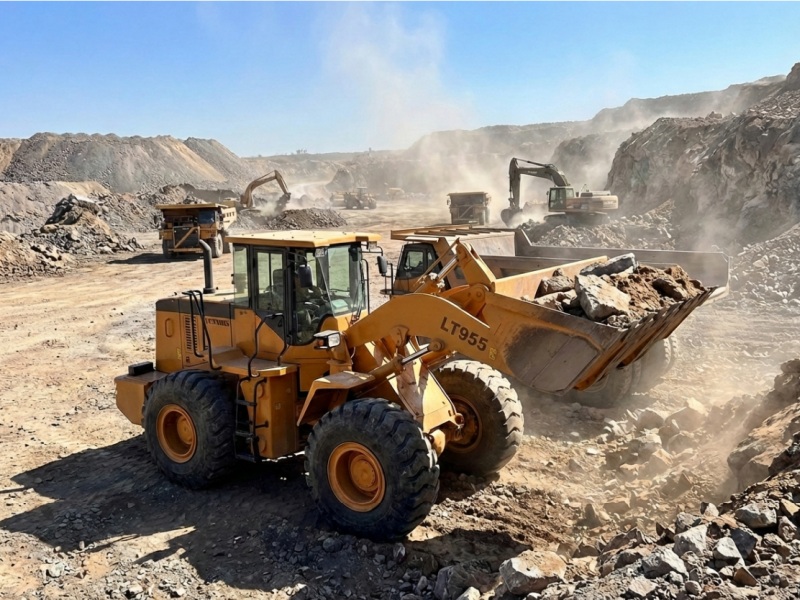
Introducción: Por qué es importante elegir la cargadora de ruedas adecuadaEn la industria de maquinaria pesada, la cargadora de ruedas Es un pilar fundamental del manejo de materiales. Elegir el equipo adecuado puede aumentar la eficiencia operativa en más del 30 %. Por el contrario, una selección inadecuada suele provocar la inactividad del equipo, costes de adquisición innecesarios y retrasos en los proyectos.Esta guía ofrece un análisis exhaustivo de los modelos de cargadoras de ruedas, su tonelaje y diversos escenarios de aplicación. Tanto si es jefe de obra, operador minero o responsable de la adquisición de maquinaria pesada, este marco le ayudará a maximizar su retorno de la inversión y su productividad operativa. Conocimientos fundamentales: Comprensión de las especificaciones de las cargadoras de ruedas2.1 Definición y funciones principalesUna cargadora de ruedas es una máquina versátil para el movimiento de tierras, montada sobre neumáticos, diseñada para recoger, transportar y descargar materiales mediante una cuchara montada en la parte delantera.Más allá de la carga básica, sus funciones industriales principales incluyen:Manipulación de materiales a granel: Traslado eficiente de arena, grava, tierra y carbón.Transporte de corta distancia: Actúa como un vínculo vital entre el lugar de trabajo y el almacén.Almacenamiento y clasificación: Imprescindible para la logística y la gestión de almacenes.Versatilidad multiusos: Gracias a sus accesorios de acoplamiento rápido, puede realizar tareas como el aplanamiento, la nivelación y la rotura hidráulica.2.2 Clasificación: Asignación de modelos a tonelajeComprender el sistema de clasificación es la base de la adquisición profesional de equipos.Por diseño estructuralCategoría de máquinaRango de tonelajeCaracterísticas estructuralesVentajas claveAplicaciones típicasCargador estándar3 - 8 toneladasMarco articulado tradicionalEquilibrado y versátilConstrucción general y movimientos de tierraCargador compacto1 - 3 toneladasOptimizado para espacios confinadosRadio de giro pequeño; muy móvilEmpleos urbanos y en interioresCargador de servicio pesado>10 toneladasEstructura reforzadaAlta capacidad de carga; durabilidad extremaMinería y extracción de canteras a gran escala Por fuente de alimentaciónTipo de alimentaciónCobertura de tonelajeVentajas principalesAplicaciones típicasFunciona con diéselGama completaAlto par motor; fácil repostaje.Sitios remotos y tareas pesadasEléctrico (VE)1 - 5 toneladasCero emisiones; bajo nivel de ruidoAlmacenes interiores y proyectos ecológicosHíbrido>5 toneladasEficiencia de combustible optimizadaCiclos de carga de alta frecuencia LT958Cargadora de ruedas de 5 toneladasLT910Cargadora de ruedas de 1 toneladaLT930Cargadora de ruedas de 3 toneladas 3. Dimensiones clave para la selección: Adaptación del equipo a los escenarios3.1 Requisitos específicos del sectorLa selección de una cargadora frontal requiere un profundo conocimiento del entorno de trabajo. A continuación, se presenta un desglose de los tonelajes recomendados para diversos sectores:Industria / EscenarioTonelaje recomendadoFactores clave de selecciónConstrucción residencial3 toneladasCarrocería compacta, pequeño radio de giroProyectos de infraestructura5 toneladasAlta velocidad de ciclo, capacidad máxima del cucharónMinería (a cielo abierto)5 – 8+ toneladasEstructura robusta, alta fuerza de arranque.Extracción de canteras≥6 toneladasCucharones específicos para roca, neumáticos reforzadosAgricultura y ganadería2 – 3 toneladasResistencia a la corrosión, versatilidad de fijación.Logística y almacenamiento2 – 4 toneladasManiobrabilidad, opciones eléctricas para interioresConstrucción de carreteras5 – 6 toneladasCubo grande, trabajo continuo de alta intensidad 3.2 Consideraciones estratégicas sobre adquisicionesMás allá del tonelaje, los compradores profesionales deben evaluar estas cinco dimensiones para garantizar el valor a largo plazo:Restricciones del sitio y movilidad:Una cargadora estándar de 5 toneladas requiere un radio de giro de aproximadamente 6 metros. Para espacios urbanos reducidos, se prefieren los modelos con dirección en las cuatro ruedas o articulados compactos a la potencia bruta.Complejidad de la tarea y archivos adjuntos: Si el trabajo implica diversas tareas (por ejemplo, manipulación de palés, retirada de nieve), priorice las cargadoras con acoplamientos rápidos hidráulicos. Esto convierte una sola máquina en una herramienta multifuncional.Inversión y presupuesto:Si bien el precio de la cargadora de ruedas es un factor importante en su decisión de compra, céntrese en el retorno de la inversión a largo plazo. Una máquina de alta calidad de un proveedor líder de cargadoras de ruedas puede tener un costo inicial más elevado, pero le ahorrará miles de dólares en combustible y reparaciones durante su vida útil.Costo total de propiedad (CTP): El precio de compra es solo la punta del iceberg. Concéntrese en la eficiencia del combustible, los intervalos de mantenimiento y la disponibilidad de repuestos. Las marcas confiables ofrecen un mejor valor de reventa, un factor crucial en la gestión de flotas.Sinergia de flota: La cargadora debe tener la capacidad adecuada para sus camiones volquete. Un desequilibrio (por ejemplo, una pala cargadora demasiado pequeña para la caja del camión) crea cuellos de botella y desperdicia combustible. 4. Errores comunes en la adquisición de cargadoras de ruedas1: Sobreespecificación (El mito de que "cuanto más grande, mejor"): Operar una máquina pesada a solo el 50% de su capacidad conlleva un alto consumo de combustible y un desgaste innecesario. El objetivo es alcanzar el rango óptimo de utilización, entre el 70% y el 90%.2: Ignorar los factores ambientales: Los entornos con alta concentración de sal, humedad o polvo requieren recubrimientos y sistemas de filtración especializados. Ignorar estas opciones de adaptación al entorno acortará la vida útil de la máquina.3: Subestimar el soporte posventa: Un error común es priorizar el precio más bajo de la cargadora de ruedas sobre su durabilidad. A menudo, la opción más económica proviene de un proveedor no verificado y sin red de servicio local, lo que genera altos costos ocultos cuando la máquina se avería en la obra. 5. Conclusión: La lógica de la selección científicaLa adquisición exitosa de una cargadora de ruedas es un equilibrio entre la capacidad técnica y la eficiencia económica.Para tomar la mejor decisión, sintetice estos tres pilares:Selección del modelo: Determina la ruta técnica y la versatilidad de la tarea.Determinación del tonelaje: Define los límites de la productividad y la eficiencia.Análisis de escenarios: Identifica las limitaciones específicas del sitio y las demandas únicas.Para proyectos complejos, recomendamos consultar con un especialista en maquinaria pesada para realizar una simulación específica del sitio. Elegir el equipo adecuado no es solo una compra; es el primer paso hacia la rentabilidad del proyecto, y seleccionar un proveedor de cargadoras de ruedas de buena reputación es tan importante como las especificaciones de la máquina. Como proveedor líder de cargadoras de ruedas con décadas de experiencia en el sector, ofrecemos más que equipos de alta calidad: ofrecemos eficiencia.¿No está seguro de qué tonelaje se ajusta a su obra? Estamos listos para ofrecerle un análisis gratuito de la carga en obra y una lista de precios detallada de cargadoras de ruedas adaptada a las necesidades de su proyecto.