Elegir el equipo adecuado para obtener el máximo retorno de la inversión En el mundo de la maquinaria pesada, excavador es la columna vertebral de casi todos los sectores, desde la construcción urbana y las obras viales hasta el paisajismo y la minería a gran escala. Para los gerentes de proyectos y los propietarios de flotas, la decisión inicial de adquisición es fundamental: ¿Debería invertir en un miniexcavadora ¿O una excavadora estándar?
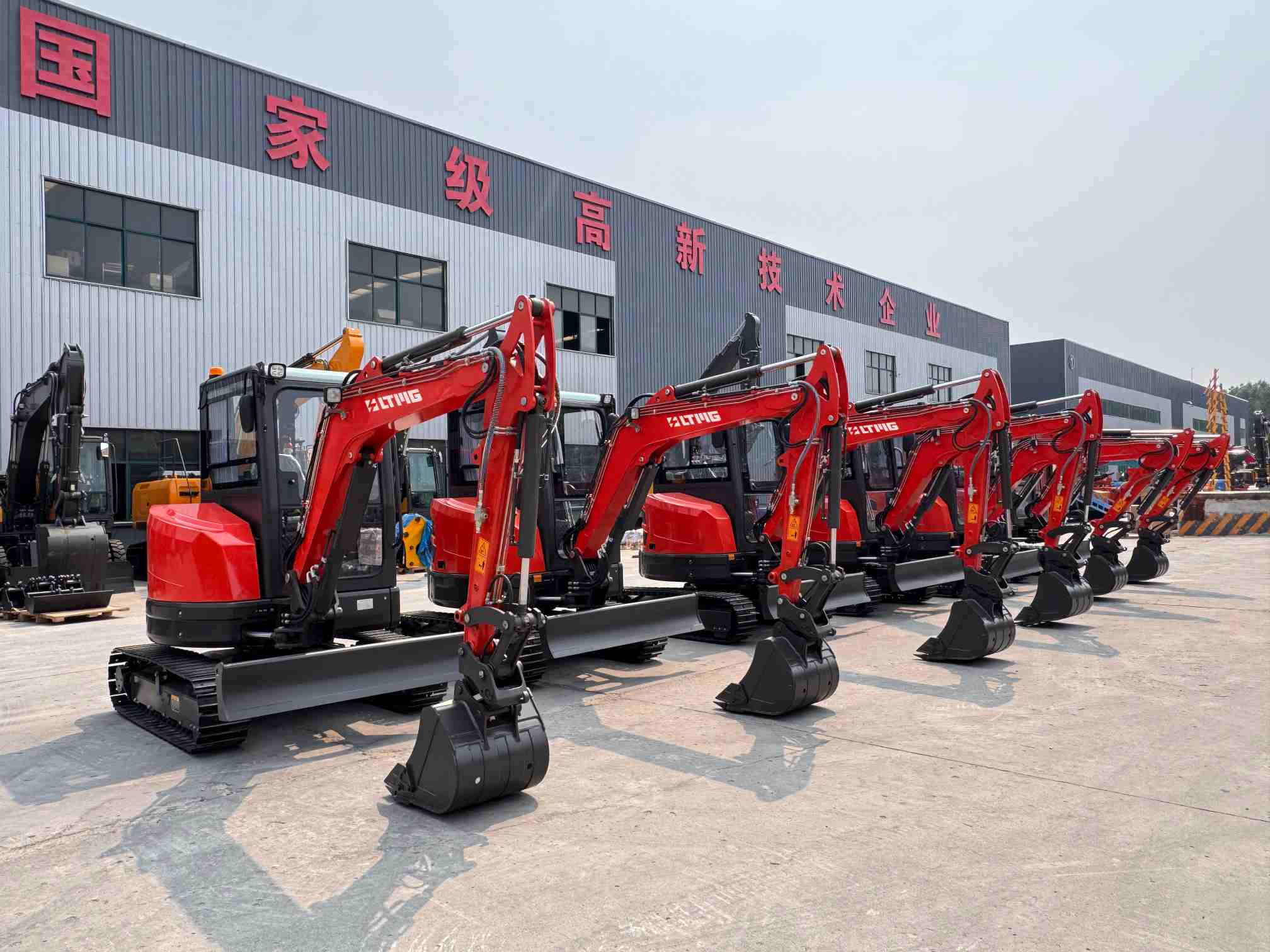
Si bien la diferencia más visible radica en el tonelaje, la elección influye directamente en la eficiencia operativa, la versatilidad en el lugar de trabajo y el costo total de propiedad a largo plazo. Esta guía desglosa las principales diferencias para ayudarle a tomar una decisión de compra basada en datos.
Tamaño y peso: maniobrabilidad frente a estabilidad
Miniexcavadoras: Diseñadas para espacios reducidos
Excavadoras estándar: La máquina potente para trabajos pesados.
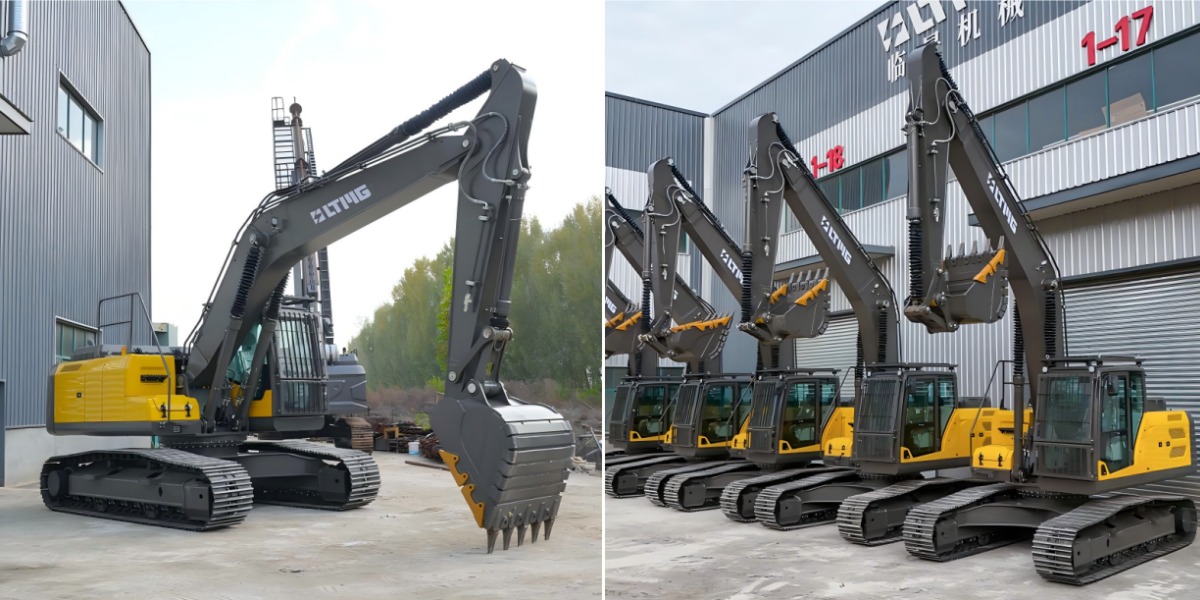
Capacidades de rendimiento: Profundidad y potencia de excavación
Profundidad de excavación y área de trabajo
Capacidad de elevación y fuerza hidráulica
Potencia y eficiencia del motor
Las miniexcavadoras priorizan el ahorro de combustible y las bajas emisiones, lo que las hace más ecológicas para proyectos urbanos. Por el contrario, las excavadoras estándar utilizan motores de alta potencia para maximizar la productividad, aunque consumen más combustible por hora.
Escenarios de aplicación: Encontrar la combinación perfecta
Dónde desplegar una miniexcavadora:
Dónde desplegar una excavadora estándar:
Análisis de costos y mantenimiento
Costo de adquisición inicial frente a costo de alquiler
Una miniexcavadora ofrece un precio de entrada más bajo, lo que la convierte en una opción atractiva para las pymes (pequeñas y medianas empresas) o contratistas a corto plazo que buscan un rápido retorno de la inversión. Las excavadoras estándar requieren una inversión de capital significativa, pero ofrecen un menor costo por metro cúbico para proyectos de movimiento de tierras de gran envergadura.
Mantenimiento y disponibilidad de repuestos
Logística y transporte
Uno de los mayores costes ocultos es el transporte. Una miniexcavadora suele poder trasladarse en un remolque o camión estándar sin necesidad de permisos especiales, mientras que una excavadora estándar requiere maquinaria pesada y una planificación logística especializada, lo que incrementa el coste de cada traslado.
Facilidad de operación
Conclusión: ¿Cómo elegir?
Elegir la excavadora adecuada no se trata de encontrar la "mejor" máquina, sino de encontrar la solución más rentable para su carga de trabajo específica.
¿Desea ampliar su flota? Como proveedor profesional de maquinaria, ofrecemos una gama completa de miniexcavadoras de alto rendimiento y excavadoras estándar diseñadas para ofrecer durabilidad y eficiencia. Tanto si busca oportunidades de venta al por mayor como soluciones de equipos a medida, estamos aquí para ayudarle a que su proyecto sea un éxito.

Teléfono : +86 195 5920 7570
Correo electrónico : market@ltmg.com
Whatsapp : +86 195 5920 7570
Agregar : LTMG Group, Electronics City(Xiamen) International Innovation Center, No.23, Duiying Road, Jimei District, Xiamen, China


Obtenga la información más reciente sobre productos e información sobre ofertas



