Al seleccionar una cargadora de ruedas, muchos usuarios suelen centrarse en el precio, la capacidad de carga o la apariencia. Sin embargo, en aplicaciones reales, estos factores superficiales no reflejan completamente el rendimiento real de la máquina en condiciones de trabajo específicas.
Basándose en la experiencia global de LTMG en proyectos de maquinaria de construcción, cada obra requiere configuraciones de rendimiento distintas. Confiar únicamente en un parámetro al elegir una cargadora de ruedas puede fácilmente derivar en una eficiencia inadecuada y mayores costes operativos a largo plazo.
A continuación, se presentan cinco de los errores de selección más comunes que suelen afectar al rendimiento y la productividad de los equipos.
Muchos compradores suponen:
“Una cargadora de ruedas de 7 toneladas siempre es más potente que un modelo de 5 toneladas.”
Aunque esto pueda parecer lógico, no siempre es preciso en aplicaciones reales.
El rendimiento real de una cargadora de ruedas depende tanto de su tonelaje como de la compatibilidad con las condiciones de trabajo. El tonelaje es solo un indicador básico; lo fundamental es que la máquina se ajuste a los requisitos de la obra.
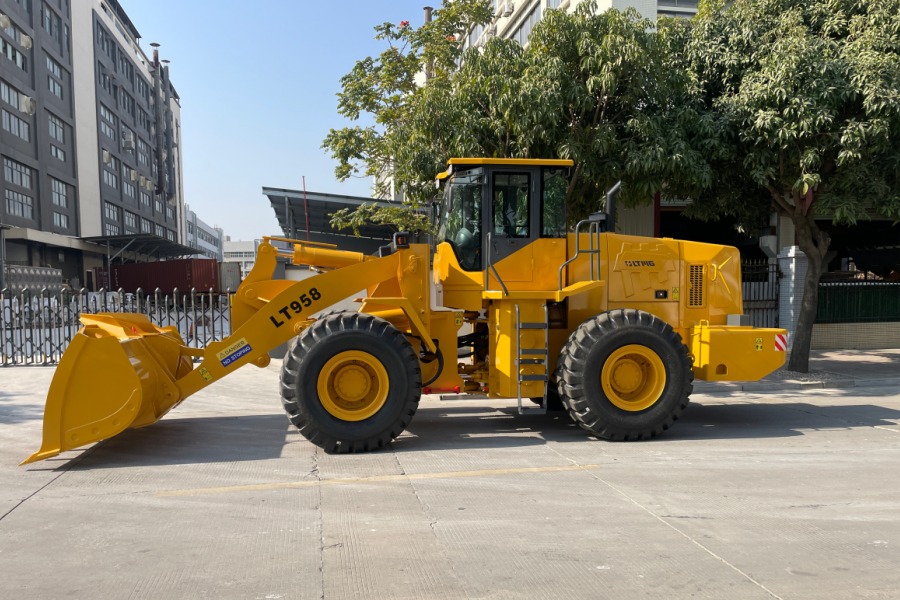
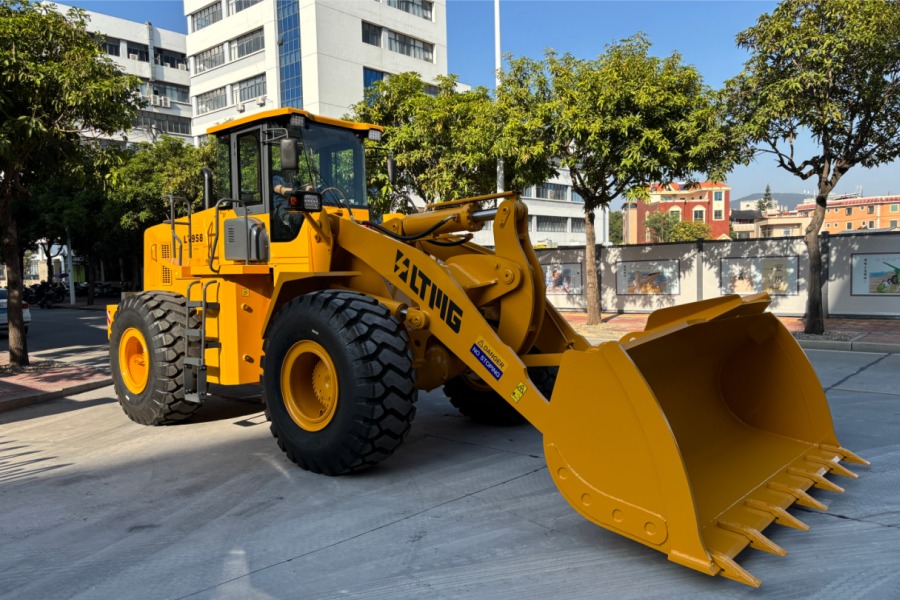
En la línea de productos LTMG, modelos como el LT925, el LT958 y el LT978 no son simplemente versiones ampliadas unos de otros. Representan tres niveles de aplicación diferentes para distintas intensidades de trabajo:
LT925 (2,5 ten) – Segmento de minicargadoras de ruedas ligeras
Una minicargadora de ruedas compacta y flexible diseñada para operaciones de baja carga y alta frecuencia, tales como:
Ventajas principales:
Su fortaleza no reside en la capacidad de levantar objetos pesados, sino en la eficiencia y la flexibilidad.
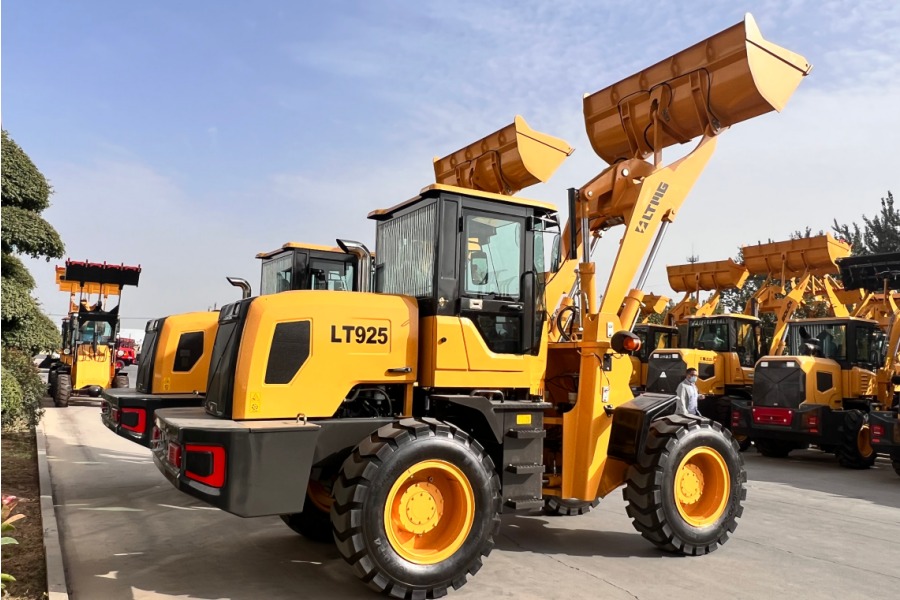
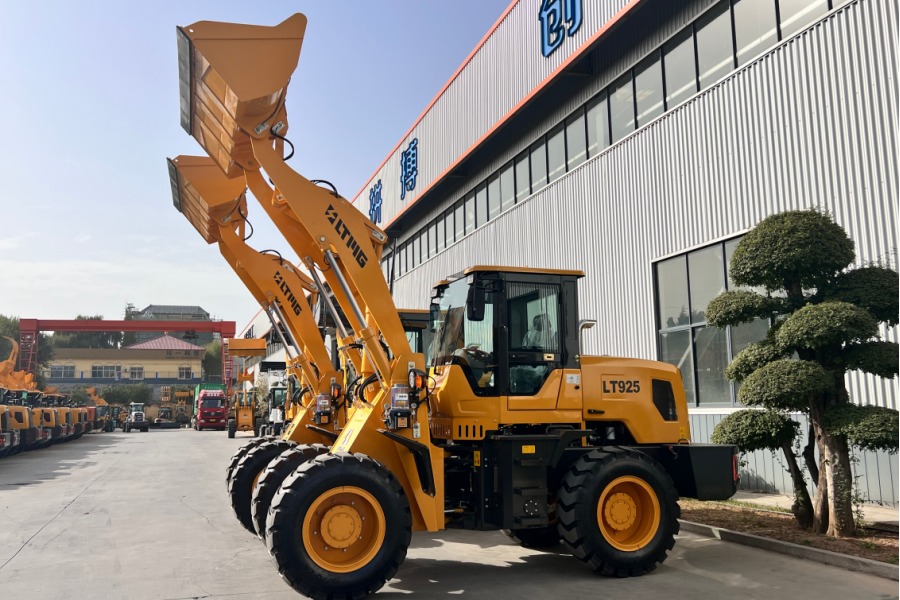
LT958 (5 toneladas)– Cargadora de ruedas estándar para construcción general
Este es el segmento más utilizado del mercado de cargadoras de ruedas en venta, adecuado para:
Ventajas principales:
Esta suele ser la clase de cargadora de ruedas más elegida en proyectos reales.
LT978 (clase de 7 toneladas)– Cargadora de ruedas de alta capacidad y servicio pesado
Diseñado para aplicaciones a gran escala y de uso intensivo, tales como:
Con especificaciones como una capacidad de carga de 7 toneladas, una cuchara de 4 a 6 m³ y sistemas de motor de alta potencia, esta cargadora de ruedas en venta se centra en:
Su valor fundamental reside en la producción por hora, no en la flexibilidad operativa.
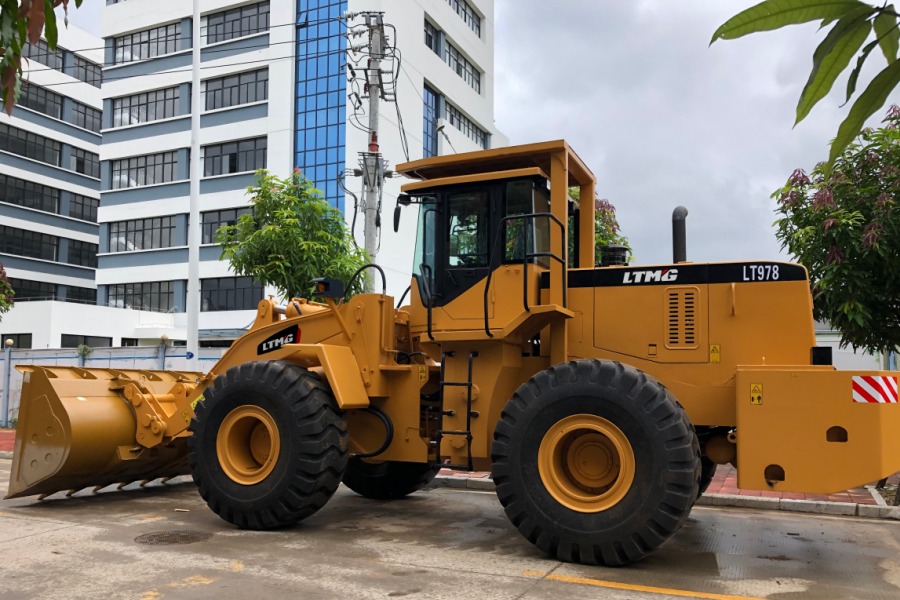
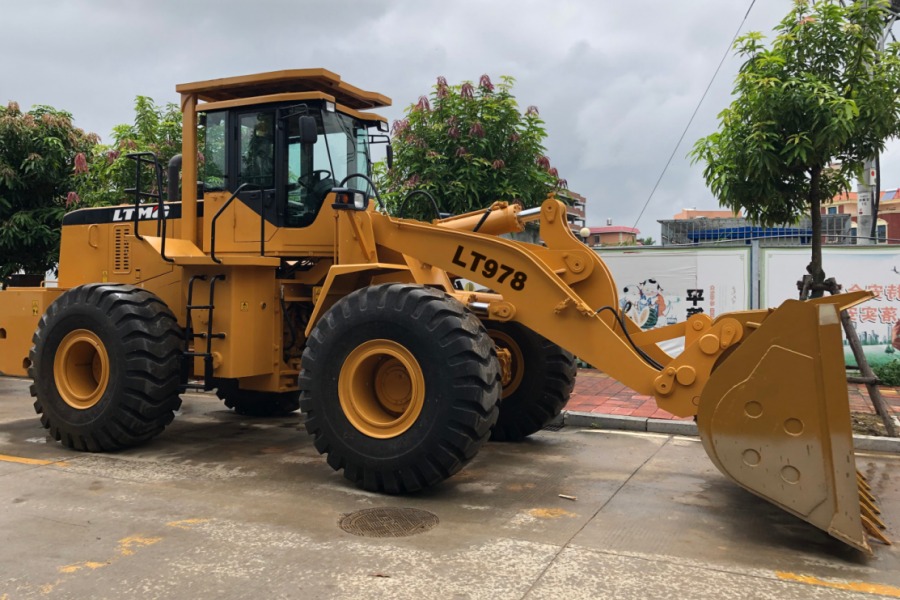
La misma “mejora de tonelaje”, las diferencias reales son:
Por lo tanto, en el proceso de selección de cargadoras de ruedas, el tonelaje no debe ser el único criterio, y no se recomienda optar indiscriminadamente por modelos de mayor tamaño. En cambio, es fundamental priorizar la adecuación del equipo a las condiciones de trabajo y los requisitos específicos de la tarea.
Un aumento en el tonelaje no implica necesariamente una mayor eficiencia. En condiciones de operación inadecuadas, puede resultar en un mayor consumo de combustible, una menor eficiencia operativa y un aumento en los costos operativos generales.
Muchos usuarios suponen:
“Mismo tonelaje significa una eficiencia similar.”
En realidad, la productividad depende de:
Volumen de carga única × velocidad del ciclo
Aquí es donde la capacidad del cubo juega un papel crítico para cualquier cargadora de ruedas.
Modelo | Tonelaje | Capacidad del cubo | Características del trabajo | Aplicaciones adecuadas |
LT925 | 2,5 toneladas | 1,3 m³ | Alta flexibilidad, ciclos rápidos | Granjas, pequeños terrenos |
LT958 | 5 toneladas | 3 m³ | Rendimiento equilibrado | Patios de áridos, plantas de dosificación |
LT978 | 7 toneladas | 4–6 m³ | Carga de alta capacidad | Minería, grandes astilleros |
Aunque las cargadoras de ruedas más grandes suelen venir con cucharones de mayor tamaño, el tamaño del cucharón siempre debe coincidir con la capacidad de carga nominal.
Los cubos de gran tamaño pueden provocar:
Mayor desgaste de los componentes hidráulicos y estructurales.
Al elegir una cargadora de ruedas, muchos usuarios se centran únicamente en la potencia del motor. Sin embargo, el sistema hidráulico determina la verdadera eficiencia de trabajo.
El sistema hidráulico del implemento de trabajo de una cargadora de ruedas es el principal responsable de controlar:
Su rendimiento se evalúa normalmente mediante tres indicadores clave de tiempo:
La suma de estos tres tiempos conforma directamente el tiempo del ciclo operativo principal de un proceso de trabajo completo.
Cuanto menor sea el tiempo de ciclo, más ciclos operativos podrá completar la máquina en un período determinado y mayor será la eficiencia general.
Solo cuando la velocidad de respuesta hidráulica se ajusta correctamente a la máquina en su conjunto, el equipo puede lograr una alta eficiencia y un rendimiento estable en condiciones de trabajo reales.
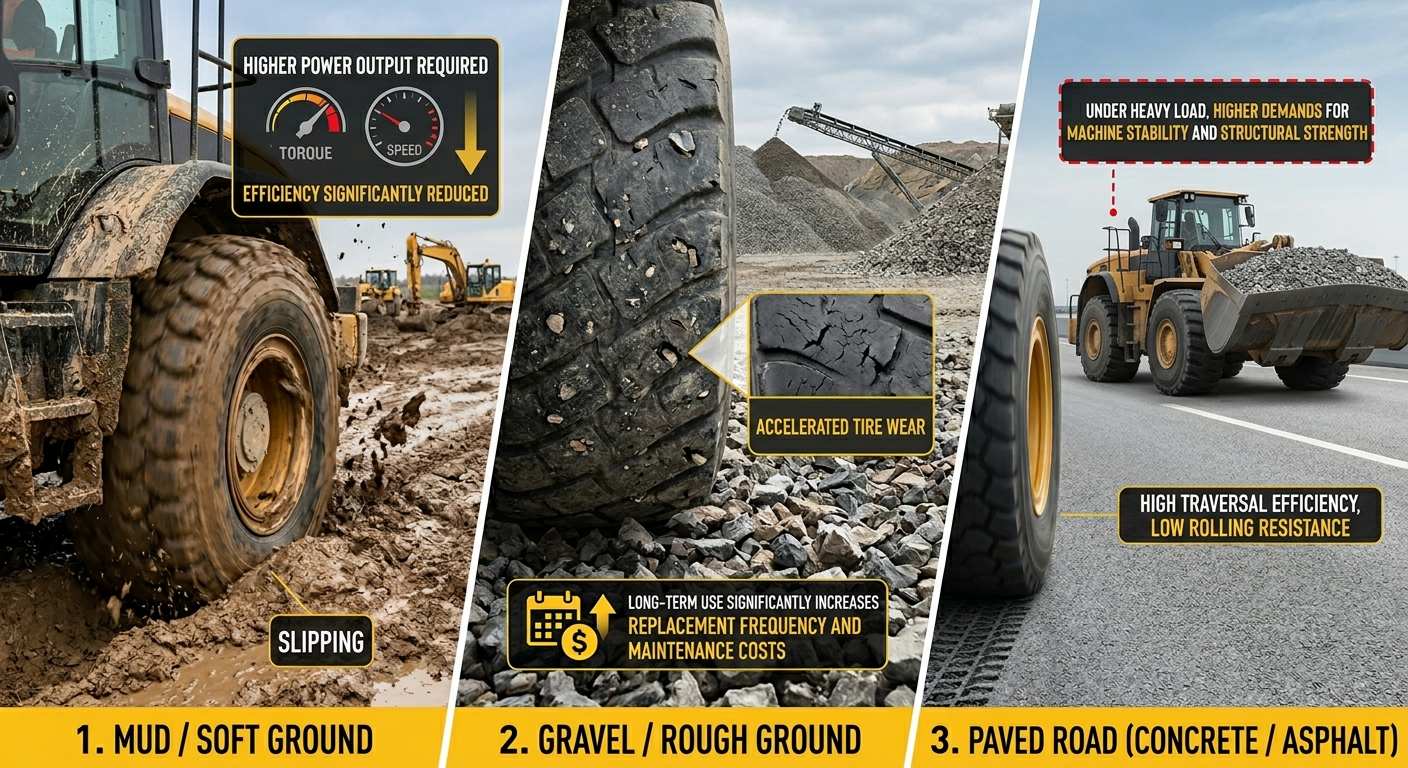
La cargadora de ruedas que se compre debe seleccionarse en función de la superficie de trabajo real.
Las diferentes condiciones del terreno afectan significativamente al rendimiento:
Ignorar las condiciones del terreno puede tener como resultado:
Muchos compradores comparan únicamente el precio inicial al seleccionar una cargadora de ruedas en venta, pero el costo real incluye:
En operaciones a largo plazo, estos costes ocultos suelen superar la diferencia de precio inicial.
Según la filosofía de diseño de LTMG, las modernas cargadoras de ruedas están optimizadas no solo para el rendimiento, sino también para reducir los costes del ciclo de vida y aumentar la eficiencia operativa.
Seleccionar la cargadora de ruedas adecuada no se trata de elegir la máquina más grande o la más cara, sino de adaptar el equipo a las condiciones reales de trabajo.
Ya sea que esté buscando una minicargadora de ruedas para sitios pequeños o un modelo de servicio pesado para operaciones mineras, la clave es asegurar una alineación adecuada entre:
Condiciones de trabajo + capacidad de la máquina + requisito de eficiencia
Si está evaluando una cargadora de ruedas para la venta o no está seguro de qué modelo se adapta mejor a su proyecto, el equipo de LTMG puede brindarle recomendaciones personalizadas basadas en sus necesidades específicas de aplicación, ayudándole a lograr el mejor equilibrio entre productividad y costo.

Teléfono : +86 195 5920 7570
Correo electrónico : market@ltmg.com
Whatsapp : +86 195 5920 7570
Agregar : LTMG Group, Electronics City(Xiamen) International Innovation Center, No.23, Duiying Road, Jimei District, Xiamen, China


Obtenga la información más reciente sobre productos e información sobre ofertas



