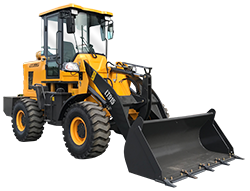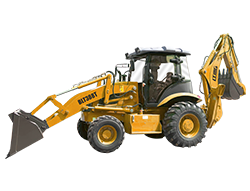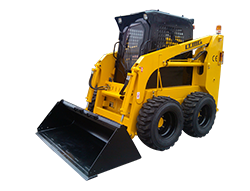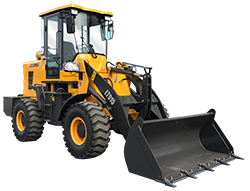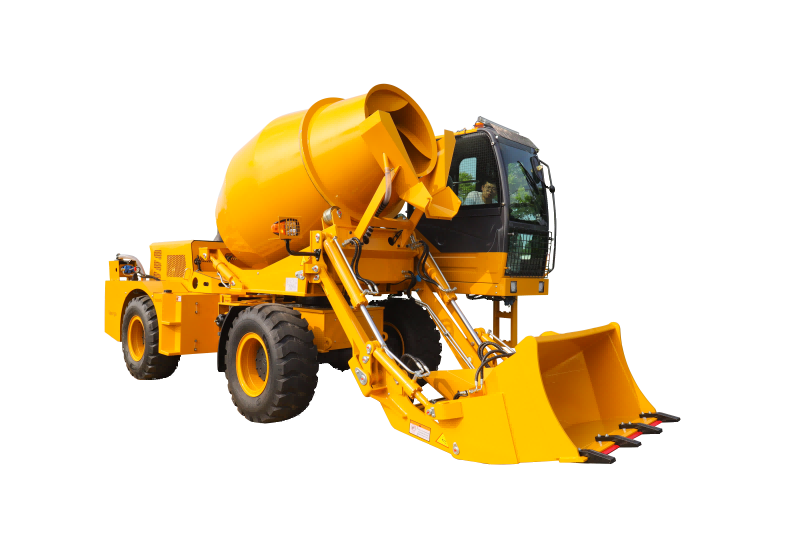
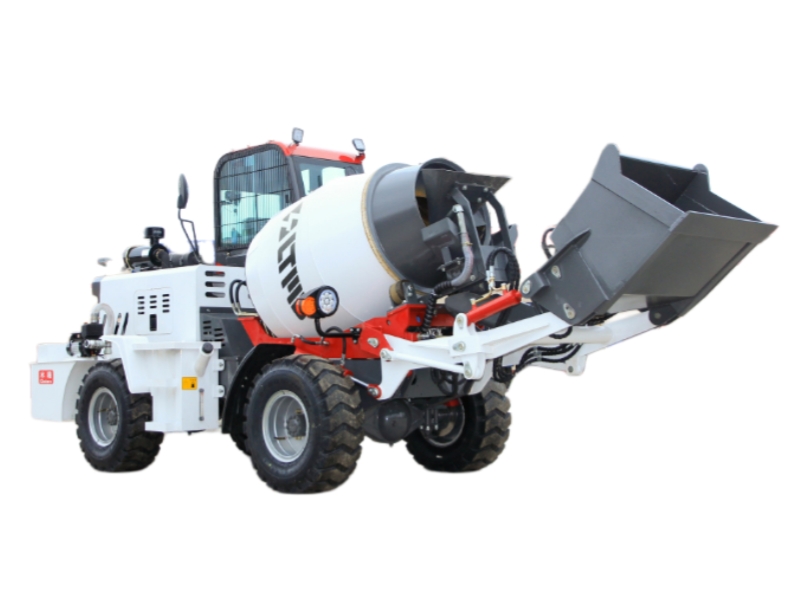
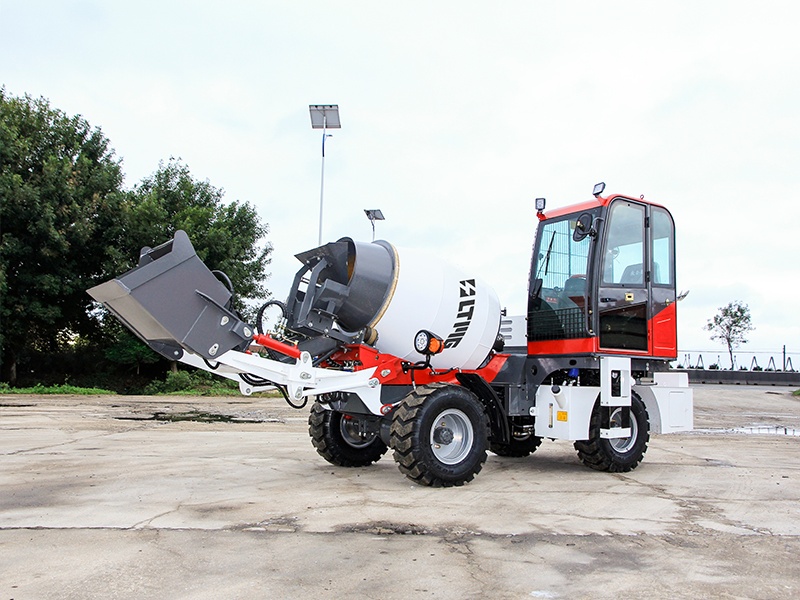
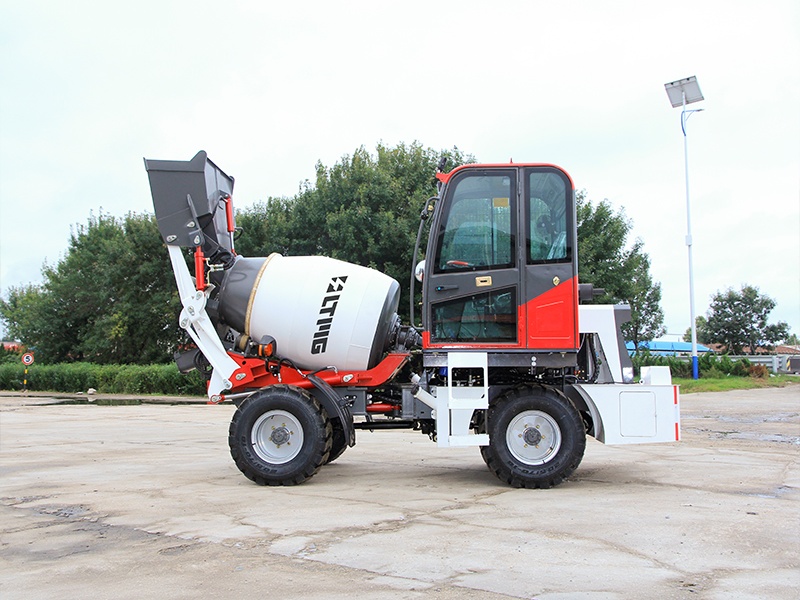
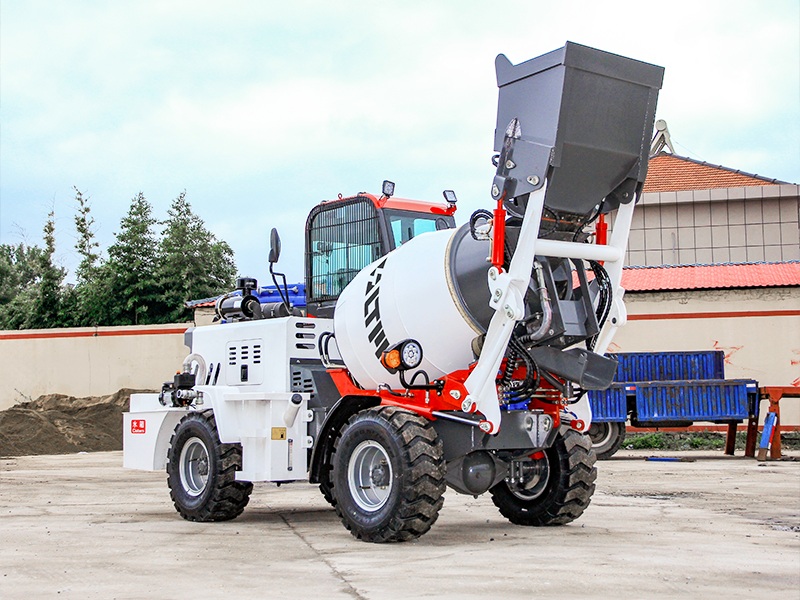
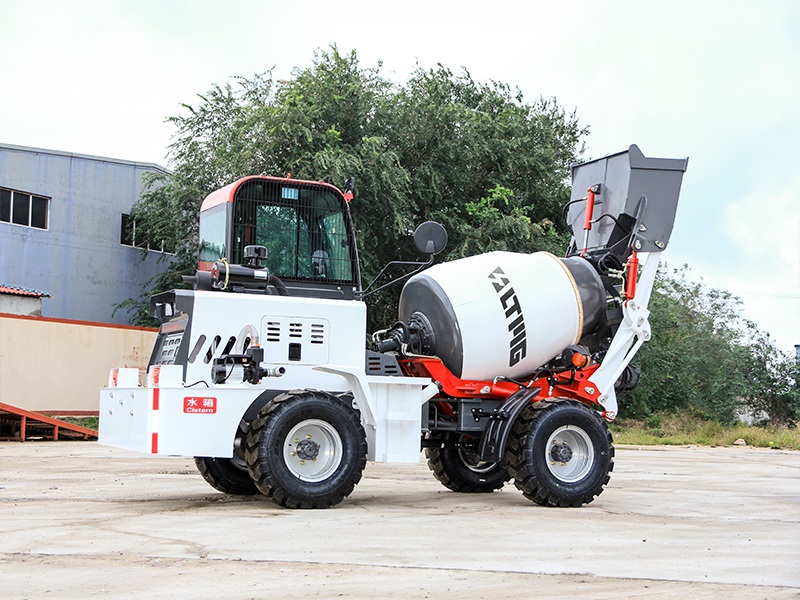
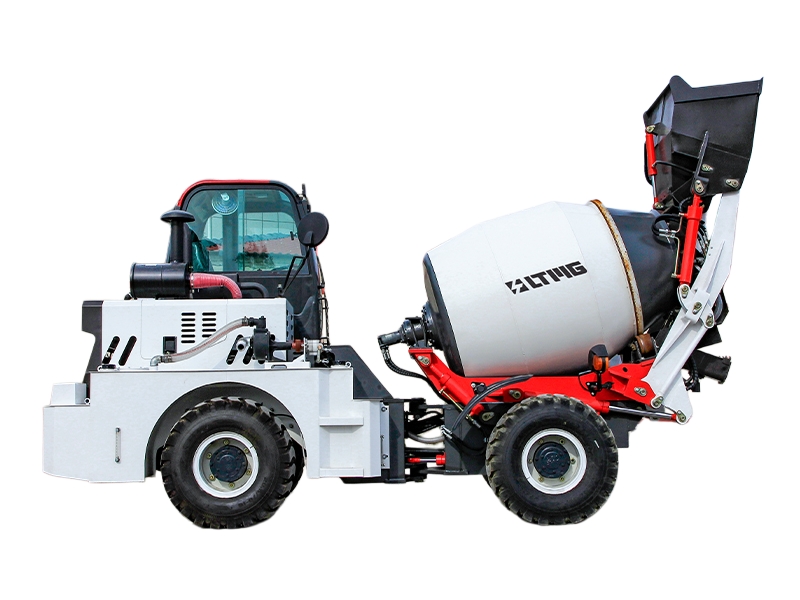
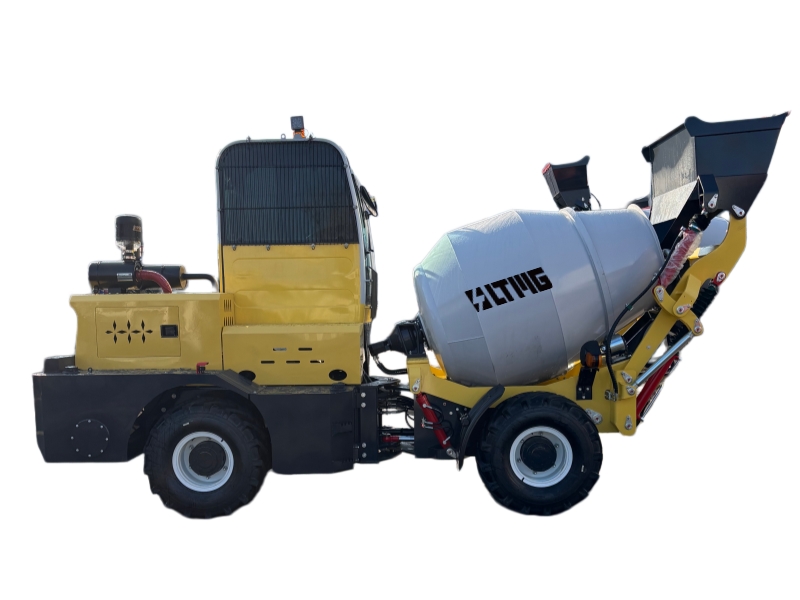
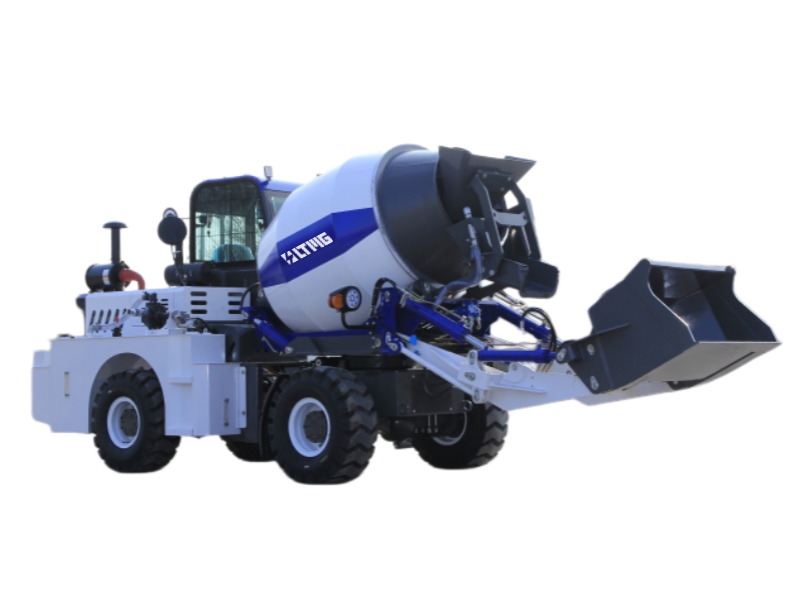
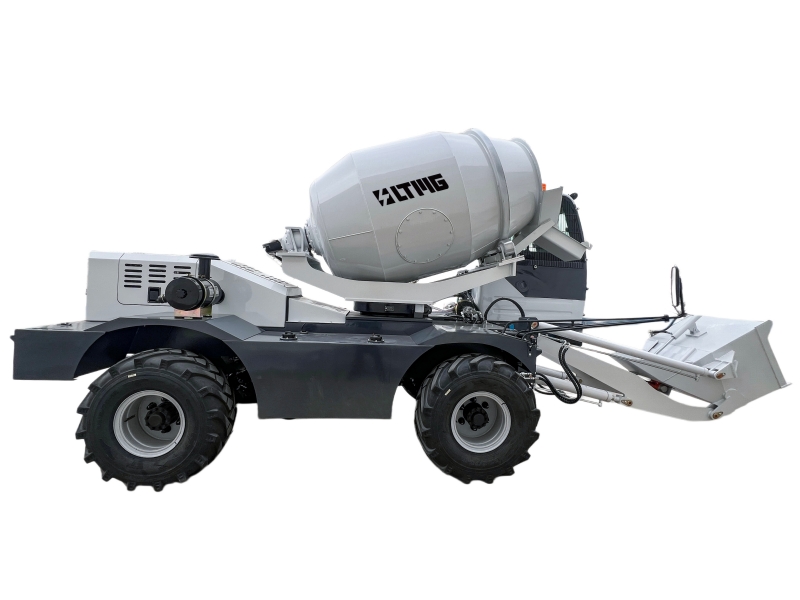
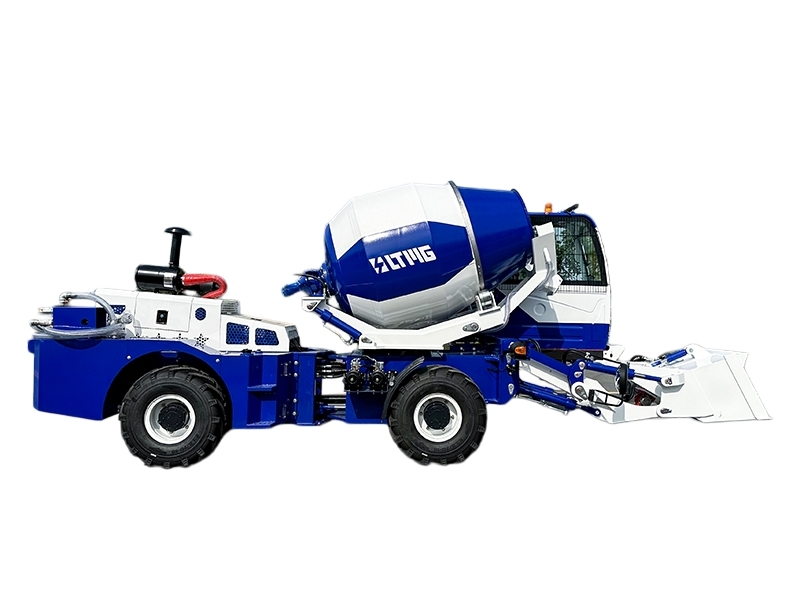
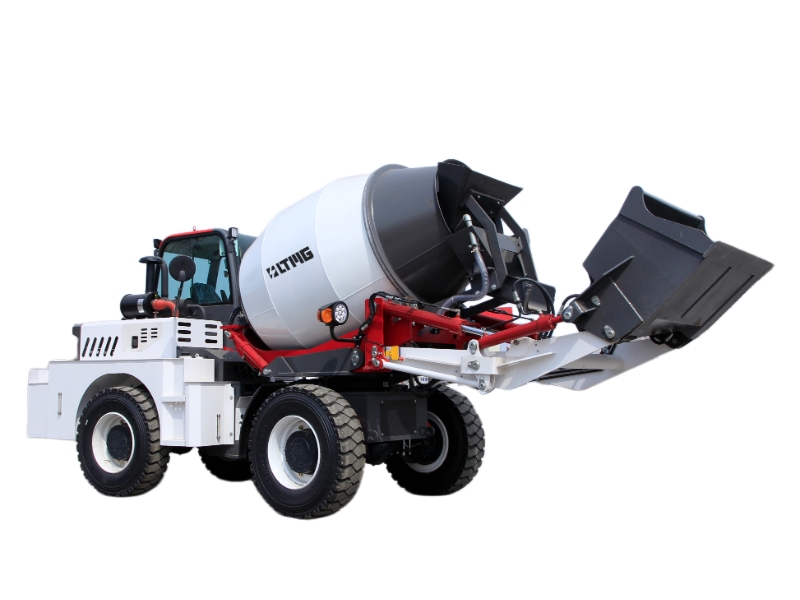
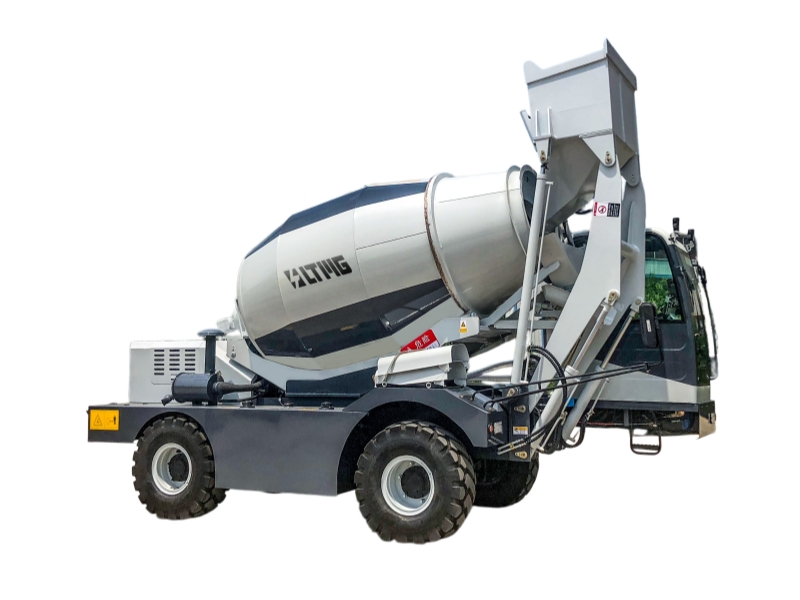
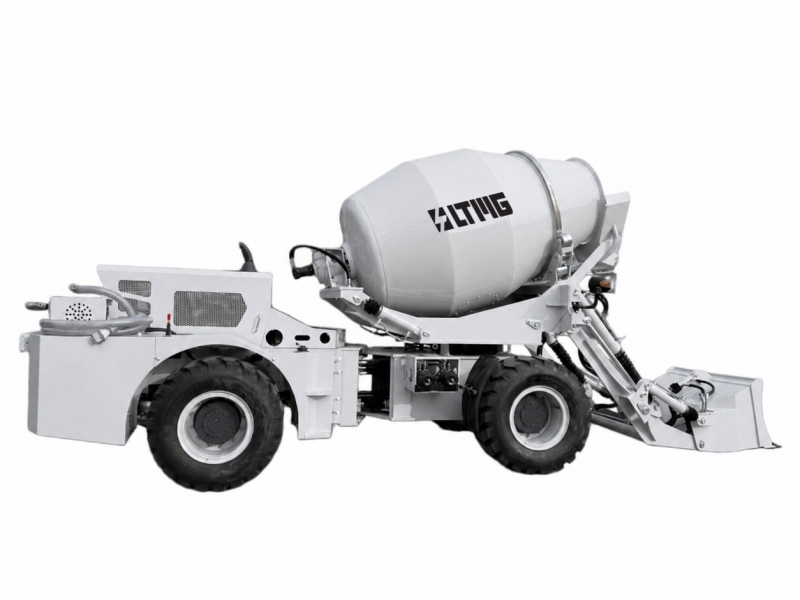
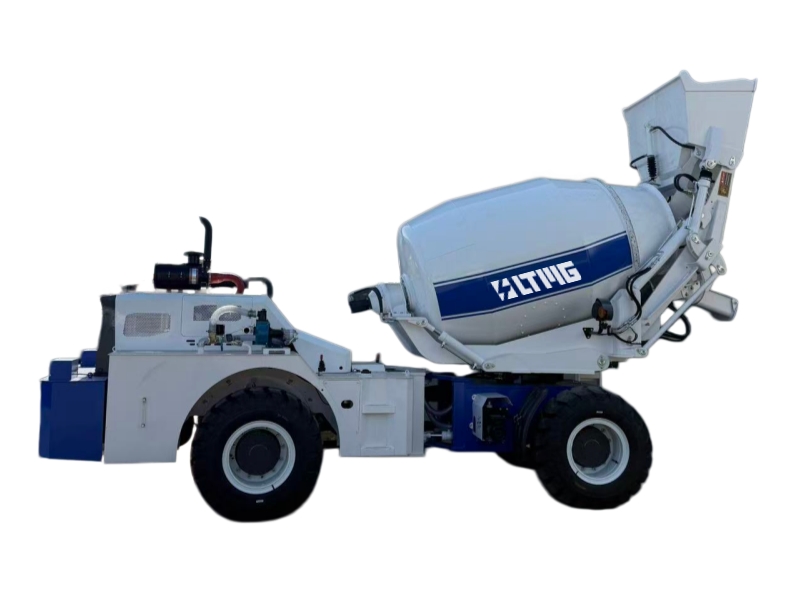
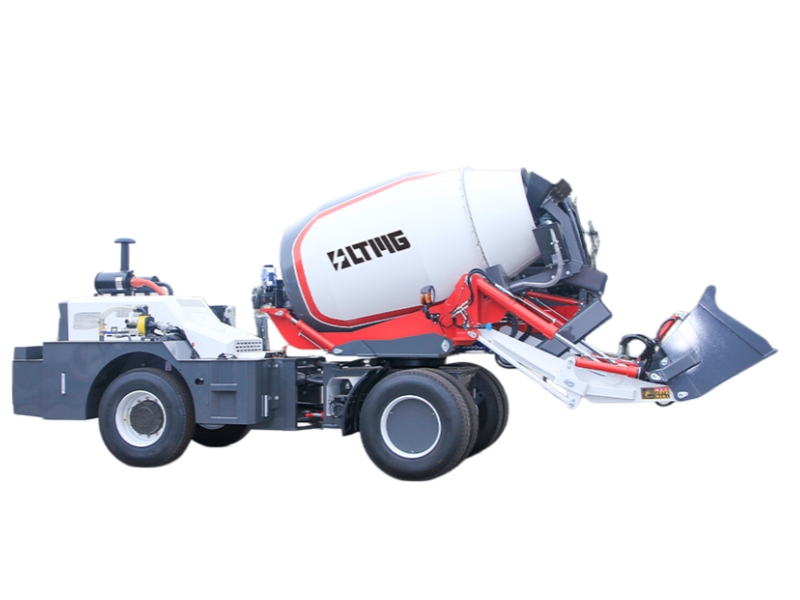
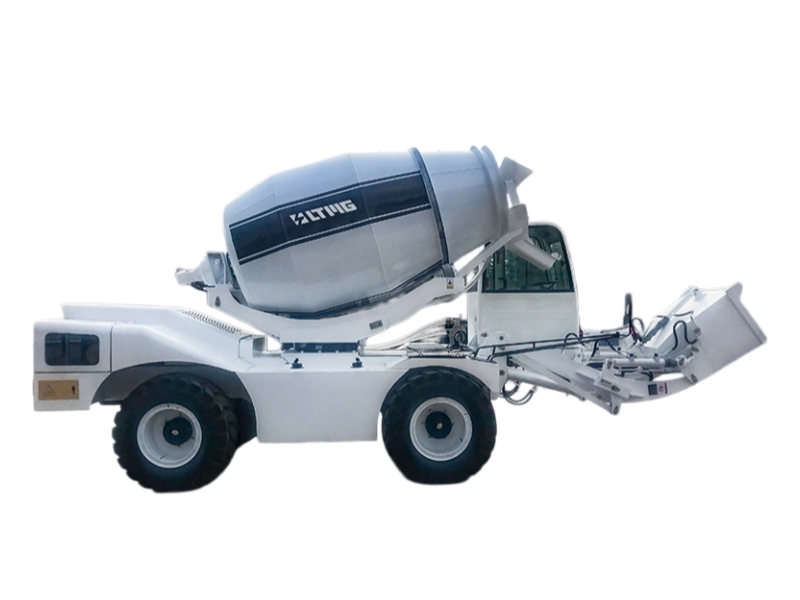
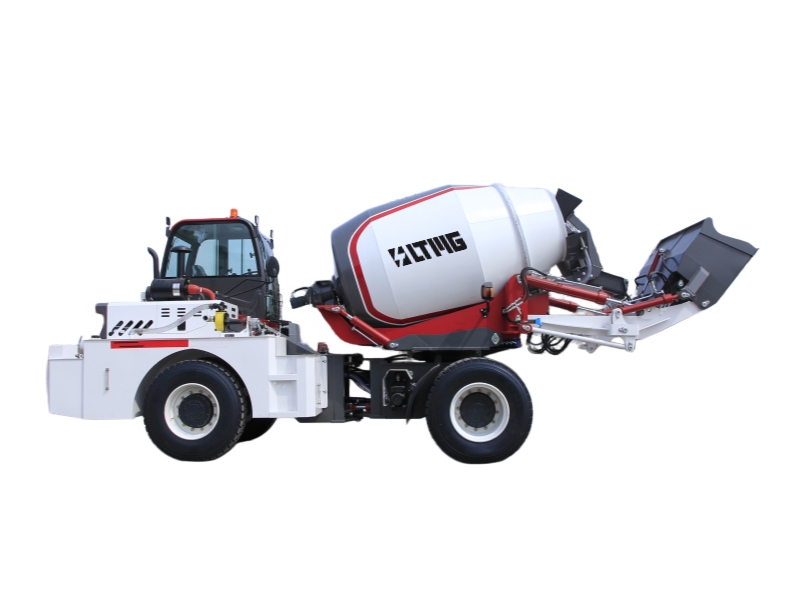
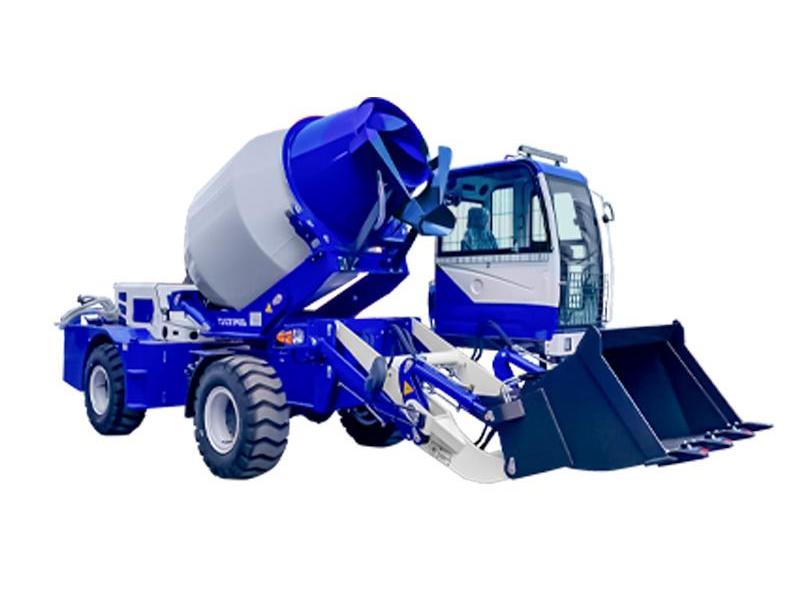
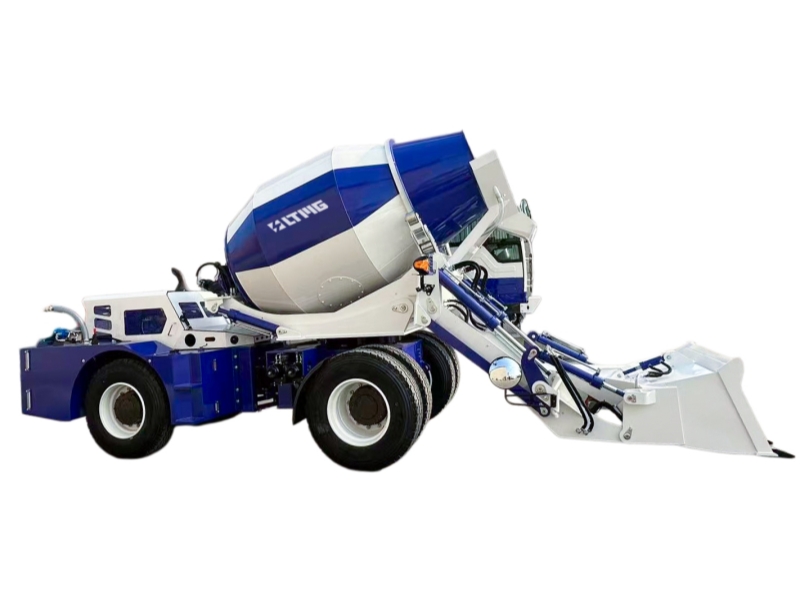
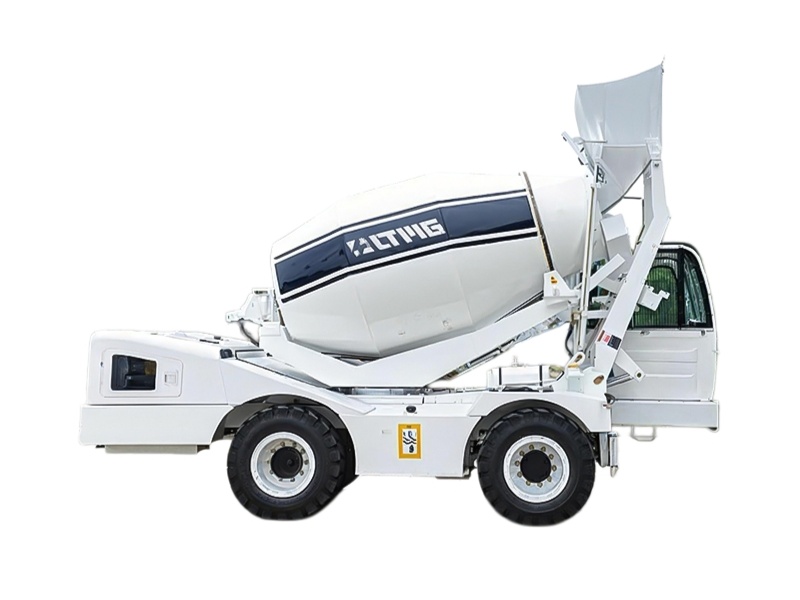
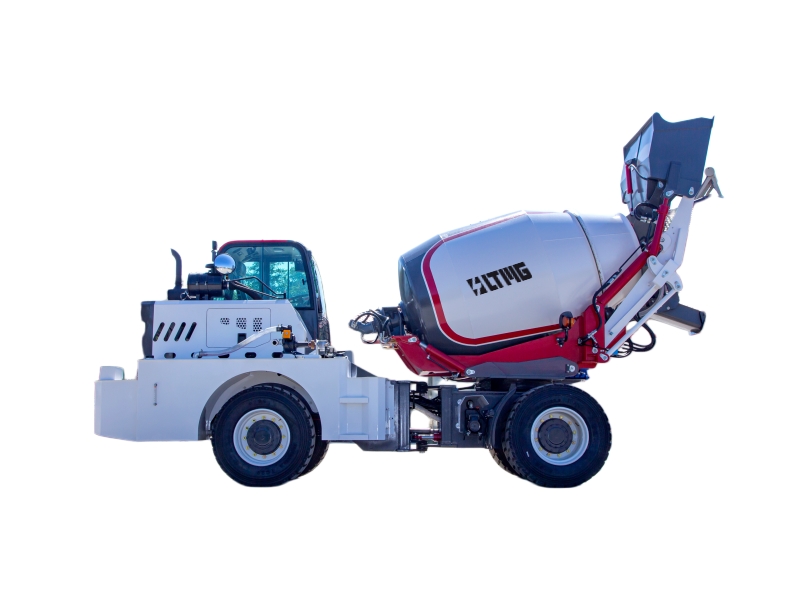
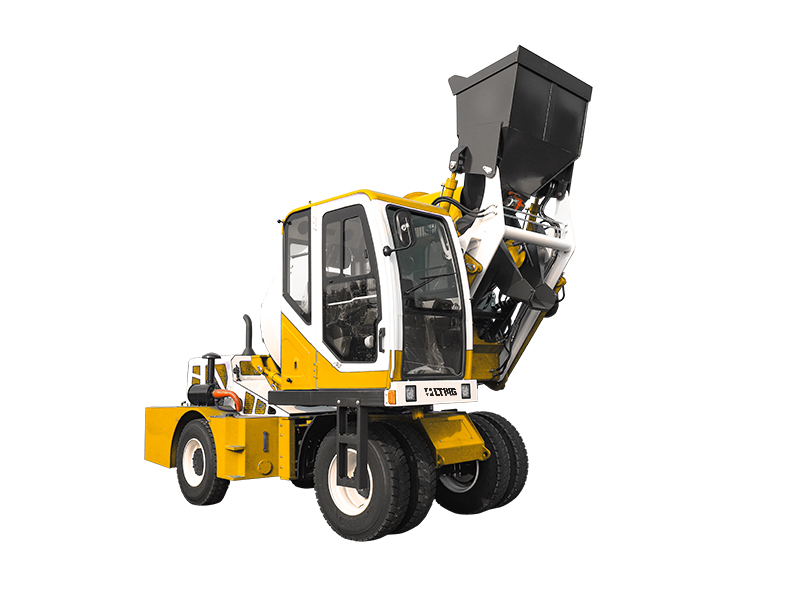
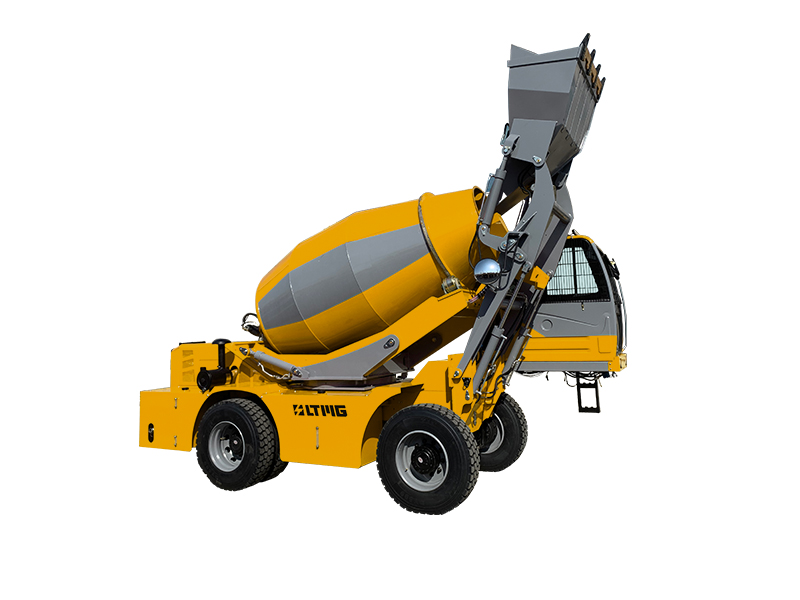
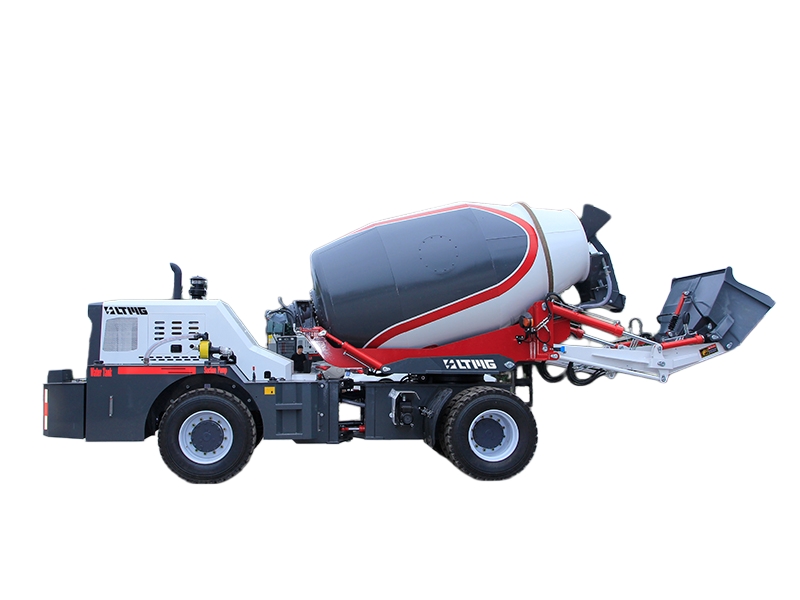
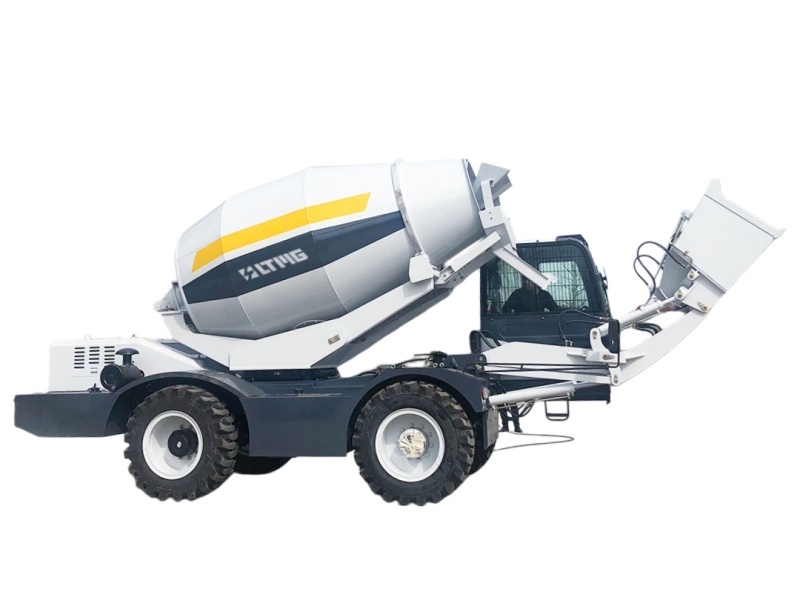
El camión hormigonera autocargable LTM07 de 0,7 m³ combina dimensiones compactas, tracción 4x4 y capacidades integradas de carga, mezcla y transporte. Con una cuchara de 0,3 m³ y una velocidad de desplazamiento de 35 km/h, ofrece una producción de hormigón eficiente y flexible para la construcción rural, obras viales, explotaciones agrícolas y proyectos de pequeña escala.
Modelo :
LTM07Peso :
3500 KGLargo ancho alto :
4800*2220*3080mm


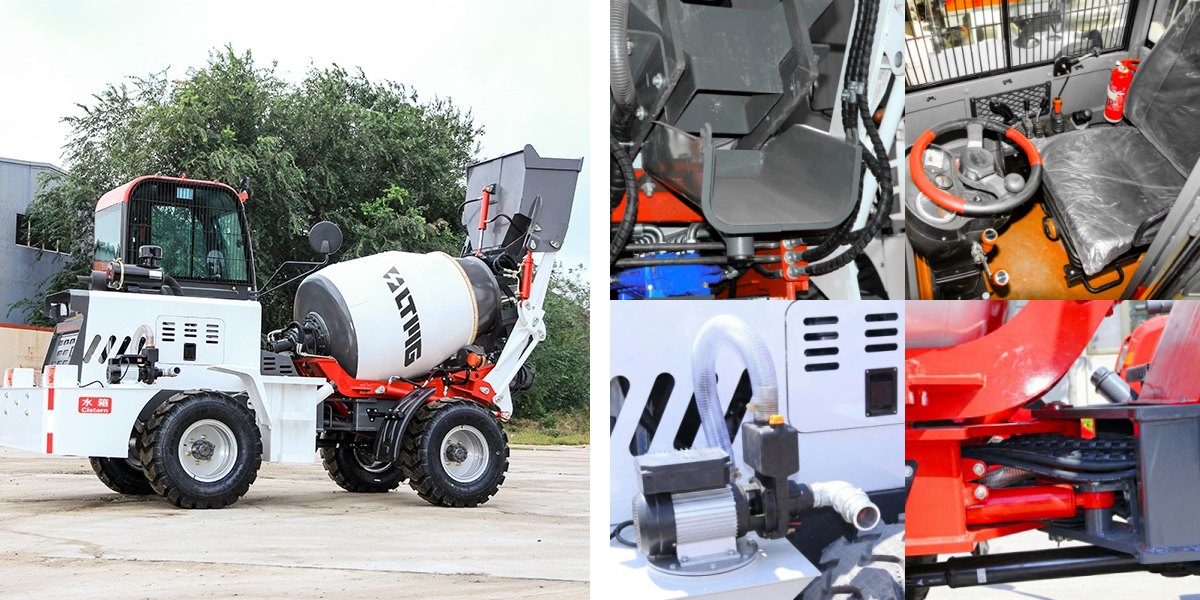
Características del camión hormigonera autocargable
1. Experiencia de conducción superior y visibilidad mejorada: Equipado con cámaras delanteras y traseras, un monitor, un asiento con suspensión de lujo y una cabina espaciosa, el camión hormigonera ofrece un campo de visión más amplio, mayor seguridad al conducir y mayor comodidad durante largas jornadas de trabajo.
2. Sistema hidráulico eficiente y fácil manejo: gracias a su bomba de agua autocebante diésel, depósito de agua hidráulico y sistema de succión hidráulico, garantiza un suministro rápido de agua, una carga de material estable y una mezcla de hormigón homogénea para una producción eficiente en obra.
3. Control inteligente y funciones de trabajo prácticas: El panel de instrumentos digital, el temporizador y la iluminación LED ayudan a los operarios a controlar el estado de la máquina en tiempo real, mejorar la precisión operativa y mantener la productividad tanto en la construcción diurna como nocturna.
4. Rendimiento estable y eficiencia de construcción fiable: Diseñado con un vibrador de descarga y funciones hidráulicas optimizadas, el camión hormigonera reduce los residuos de material, acelera la descarga y mejora la eficiencia general de mezcla y descarga en las obras de construcción.
5. Diseño compacto para pequeños proyectos de construcción: El camión hormigonera autocargable de 0,7 m³ integra la carga, la mezcla, el transporte y la descarga en una sola máquina compacta, lo que lo hace ideal para edificios residenciales, caminos rurales, granjas, paisajismo y proyectos de construcción en lugares remotos.
La especificación de Camión hormigonera autocargable
| Parámetro | Unidad | LTM07 |
| Dimensiones del vehículo (largo × ancho × alto) | mm | 4800×2220×3080 (Brazo elevador); 5900×2220×2660 (Brazo abatible) |
| Distancia entre ejes | mm | 2100 |
| Ancho de vía | mm | 1490 |
| Peso total | kg | 3500 |
| Motor | / | YN25GB / 4DW91-45 |
| Fuerza | kW | 37/33 |
| Caja de cambios | / | 240 integrados |
| Eje motriz | / | Isuzu |
| Neumático | / | 20.5/70-16 |
| Capacidad del cubo | m³ | 0,3 |
| Capacidad de agitación | m³ | 0,7 |
| Relación de reducción | / | 1:24 |
| Velocidad de rotación | r/min | ≥15 |
| Reductor | / | Hecho en china |
| Velocidad de carrera | km/h | 35 |
| Tipo de tracción del número de ejes | / | 4x4 |
| Capacidad del tanque de agua | L | 230 |
| Capacidad del tanque de diésel | L | 70 |
| Capacidad del tanque hidráulico | L | 60+18 |
Debido a la innovación tecnológica, la configuración y los parámetros de nuestros productos seguirán cambiando sin previo aviso;
En caso de duda, prevalecerá la confirmación específica de nuestras ventas comerciales internacionales;
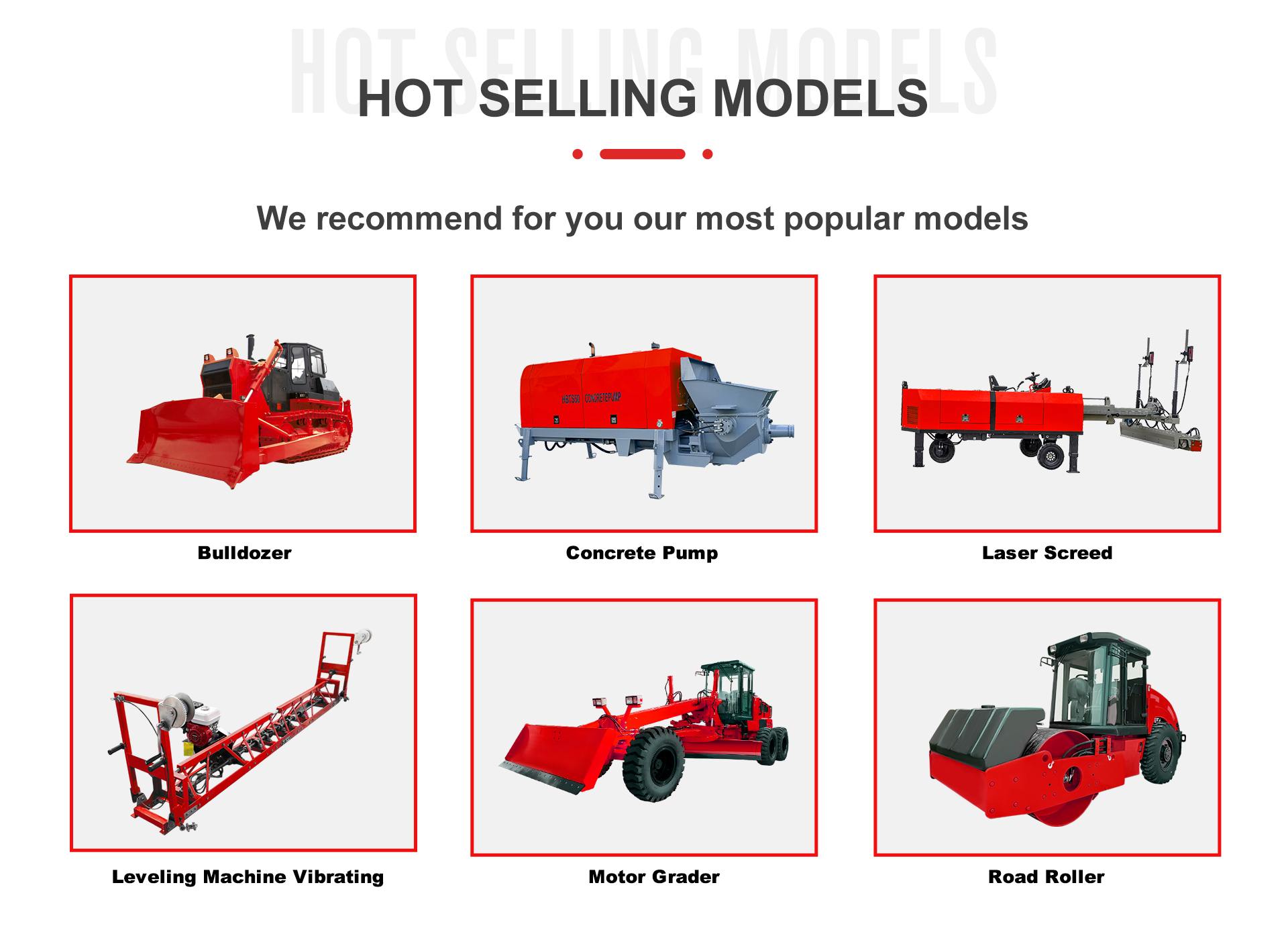
Productos más vendidos de LTMG

Preguntas frecuentes
A: La producción horaria de hormigón de una hormigonera autocargable no se puede determinar simplemente multiplicando la capacidad del tambor por un número fijo de ciclos. La productividad real depende del ciclo de trabajo completo, que incluye la carga de materiales, la adición de agua, la mezcla, el transporte y la descarga del hormigón. Cuando la arena, los áridos y el cemento se almacenan cerca de la máquina, la distancia de transporte es corta y el operador tiene experiencia, la hormigonera puede alcanzar una mayor eficiencia de producción. Si los materiales están muy dispersos, el lugar de vertido está lejos o las condiciones de la carretera son difíciles, la producción horaria disminuirá. Por lo tanto, la capacidad de la hormigonera autocargable debe evaluarse en función de la capacidad del tambor, la ubicación del almacenamiento de materiales, la distancia de transporte y las condiciones generales del lugar, en lugar de basarse únicamente en la producción teórica.
P: ¿Puede una hormigonera autocargable producir hormigón con una proporción de mezcla fija?
R: Sí. Una hormigonera autocargable puede producir hormigón según una proporción de mezcla específica si está equipada con un sistema de pesaje adecuado y se opera correctamente. Los áridos y la arena se cargan normalmente con la cuchara delantera, mientras que el agua se suministra a través del depósito y el sistema de dosificación integrados. El cemento se puede añadir manualmente utilizando sacos, big bags u otros métodos adecuados según el proyecto. Para aplicaciones que requieren proporciones de mezcla de hormigón precisas, se recomienda una hormigonera autocargable con sistema de pesaje electrónico y función de dosificación de agua, y el sistema de pesaje debe calibrarse periódicamente. Cuando se requiere una mezcla de hormigón diseñada en laboratorio, basarse únicamente en el número de cargas de la cuchara no es suficientemente preciso.
P: ¿Es una hormigonera autocargable adecuada para zonas montañosas, terrenos fangosos y caminos sin pavimentar?
Algunos modelos de hormigoneras autopropulsadas están diseñados para entornos de construcción exigentes y pueden incluir tracción a las cuatro ruedas, neumáticos reforzados y gran altura libre al suelo. Estas características las hacen idóneas para aplicaciones como obras en zonas montañosas, caminos rurales, zonas mineras y caminos sin pavimentar. Sin embargo, la capacidad todoterreno no garantiza que todos los modelos puedan operar con seguridad en terrenos extremadamente fangosos o empinados. Al elegir una hormigonera autopropulsada para terrenos difíciles, se deben considerar factores como la pendiente máxima, el ancho del camino, las condiciones del terreno y las condiciones climáticas estacionales. Según la aplicación, un modelo con tracción a las cuatro ruedas y neumáticos diseñados para terrenos difíciles puede proporcionar mejor tracción y movilidad.
P: ¿Qué debo tener en cuenta al operar una hormigonera autocargable en pendientes?
A: Operar una hormigonera autocargable en pendientes requiere una cuidadosa consideración, ya que el hormigón dentro del tambor crea una carga dinámica que puede modificar el centro de gravedad de la máquina. Por lo tanto, la capacidad de ascenso segura de una máquina vacía no representa necesariamente su rendimiento a plena carga. En pendientes pronunciadas, los operadores deben evitar conducir transversalmente, realizar giros bruscos o descender a velocidad excesiva, manteniendo una carga adecuada. Para proyectos de construcción en zonas montañosas o con pendiente, se recomienda proporcionar con anticipación las condiciones de pendiente longitudinal y lateral previstas. De esta manera, se puede seleccionar la hormigonera autocargable adecuada según su peso operativo, sistema de transmisión, rendimiento de frenado, configuración de neumáticos y estabilidad general.
ETIQUETAS :
Teléfono : +86 195 5920 7570
Correo electrónico : market@ltmg.com
Whatsapp : +86 195 5920 7570
Agregar : LTMG Group, Electronics City(Xiamen) International Innovation Center, No.23, Duiying Road, Jimei District, Xiamen, China
Obtenga la información más reciente sobre productos e información sobre ofertas